Clivia and Orchid New Shoots Have Stopped Growing: Don't Do These 3 Things, or They'll Die Fast
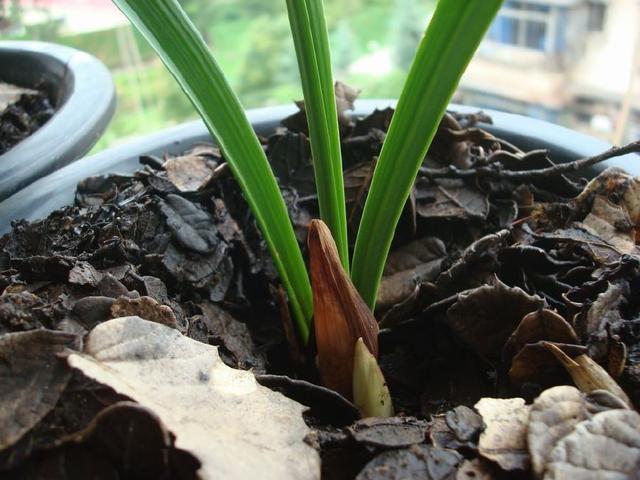
Clivia (Clivia miniata) and orchids - many flower lovers grow these two plants. The main reason is that neither is hard to grow; as long as you understand their growth characteristics and put in a bit of care, you can grow them well. Some gardening experts often grow clivias and orchids into lush, branchy plants that bloom beautifully and impressively. Some even grow "new shoots." Honestly, I quite admire these flower lovers - now they don't even need to buy more; just pluck off the new shoots and transplant them into a pot, and they'll surely take root.
New shoots on clivias and orchids only sprout when the nutrient soil is fertile and the external environment is comfortable. They generally emerge from the base of the plant's stem. But these new shoots - despite looking like they're growing well at first - will soon be found growing slower and slower, until they look as if they have "stopped growing." At this point, many flower lovers get really anxious. They don't know what to do, nor do they understand what's going on with these new shoots. Could they be dead?
The reason the new shoots stop growing is right here
When new shoots of clivias and orchids stop growing after about a month, this is a normal phenomenon. It means these new shoots are growing roots. Root growth naturally consumes a lot of nutrients and energy. As a result, the nutrients supplied to the stems and leaves of the new shoots decrease, so naturally no growth is visible. The more this happens, the more attention should be paid to caring for clivias and orchids. In particular, the following "3 things" must not be ignored.
Thing One: Don't touch them!
Many flower lovers see that the new shoots of their clivias and orchids, which were growing fine before, have now stopped growing, and out of curiosity wonder if they've died. They touch them with their hands or wiggle them to see if the roots have rotted. This must be avoided at all costs. The roots are still growing and unstable as it is; if you touch them with your hands, the growth of the new shoots will definitely be hindered, and in serious cases the roots may even break - after all, the roots of new shoots are extremely fragile.
Thing Two: Don't dig into the potting soil to check the new shoots
The new shoots are growing slowly because, as mentioned earlier, they are growing roots. On the surface they appear not to be growing, but in fact they are putting their energy into rooting. At this time, if you dig into the potting soil to see whether the new shoots have died, that would be a huge mistake. Once you dig into the soil, the new shoots will quickly die. In gardening, the thing you should avoid most is disturbing the soil during cuttings, sprouting, and rooting.
Thing Three: Don't water or fertilise too frequently
Many people think that since the new shoots of clivias and orchids aren't growing, maybe they're lacking water and nutrients? With a try-it-and-see attitude, they water and fertilise like crazy. Little do they know that at this time, heavy watering and fertilising will only further hinder the growth of the new shoots. This is because the new shoots need very few nutrients; the nutrients already in the soil are sufficient, and some nutrients even come from the mother plant. When too much fertiliser is applied, the new shoots are the most likely to be burned to death.
The above is the care knowledge about new shoots of clivias and orchids - be sure to remember it! Thank you for reading!
Remember to like and share~