8 Flowers with Super Long Blooming Periods: Grow One Pot and Enjoy Flowers All Year Round
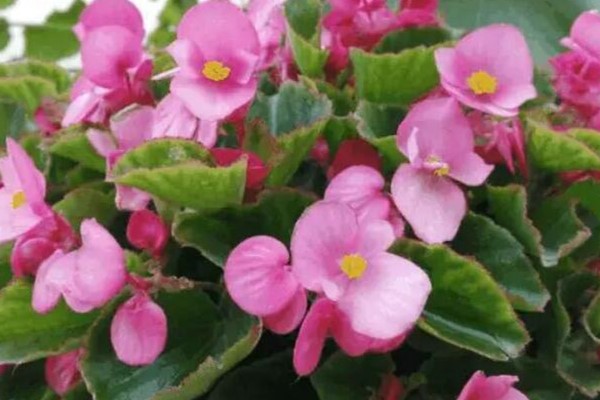
Wax Begonia (Begonia semperflorens)
Bloom period: year-round
1. Wax begonias dislike direct sunlight and are afraid of rain. With prolonged rain exposure, wax begonias easily develop rotting stems and leaves, so in summer you should take measures to shade them and keep the rain off.
2. The hot, humid summer easily breeds bacteria, and wax begonias are prone to bacterial spot disease, so you should improve ventilation and keep the environment dry and fresh.
Madagascar Periwinkle (Catharanthus roseus)
Bloom period: year-round
1. Madagascar periwinkles like places with plenty of light. In summer you can put them on a south-facing balcony or outdoors.
2. Madagascar periwinkles like soil with good drainage and aeration. When mixing the soil, you can blend in some pine needles or coarse sand.
Rose (Rosa)
Bloom period: April-November in the north, year-round blooming in the south
1. In summer you can put roses outdoors in a spot with good light, ensuring at least 6 hours of light a day, but be careful to provide shade at noon.
2. Summer's high heat and humidity make roses very susceptible to various diseases, so be sure to improve ventilation and, when necessary, properly prune the inner branches of the rose.
Dahlia (Dahlia pinnata)
Bloom period: May-December
1. Dahlias like places with plenty of light. A long-term lack of light easily leads to poor growth, with blooms that are both small and pale.
2. Dahlias like a slightly moist soil environment. When short of water, the leaves easily wilt. After rain, drain promptly and do not let the soil become waterlogged, otherwise dahlias easily develop tuber rot.
Kalanchoe (Kalanchoe blossfeldiana)
Bloom period: December-May of the following year
1. Kalanchoes enter dormancy or semi-dormancy in summer. At noon when the light is intense, provide proper shade, and it is best to put the kalanchoe in a semi-shady spot with plenty of scattered light.
2. Many gardening friends' kalanchoes only grow leaves and never bloom. You can use the "dark room" method to force blooming. After 4 p.m. each day, shut the kalanchoe in a completely dark room, and after 9 a.m. the next morning move it back to a sunny spot. After several weeks in a row, the kalanchoe will grow flower buds.
Petunia (Petunia hybrida)
Bloom period: April- around the time of Frost's Descent
1. If you want petunias to bloom abundantly and for a long time, plenty of light is essential. It is best to put petunias outdoors or on a balcony with plenty of light.
2. When petunias finish blooming, promptly prune away the spent flowers and faded branches. This not only adjusts the plant's shape but also promotes the growth of flower buds, preparing for the next explosion of blooms.
Moss Rose (Portulaca grandiflora)
Bloom period: May-November
1. The moss rose's love of light ranks among the very top in the flower world. As long as conditions allow, put it in the spot with the best light, and it will surely burst into a pot full of blooms for you to see!
2. Moss roses are extremely drought-tolerant, but to let them burst into bloom, it is best to water thoroughly once the potting soil dries out. With plenty of water and plenty of sun, the moss rose will surely fill the pot with blooms!
Verbena (Verbena hybrida)
Bloom period: May-November
1. Verbena is very demanding about water: too much water easily causes root rot, while too little water shortens the bloom period. In summer, it is best to water once a day, keeping the potting soil slightly moist.
2. After verbena finishes blooming, prune it promptly. Spent flowers, dead branches and weak branches should all be pruned away. Only with ruthless pruning can verbena bloom more and for longer.