Feed all your leftover peanuts to your roses, and the results will surprise you
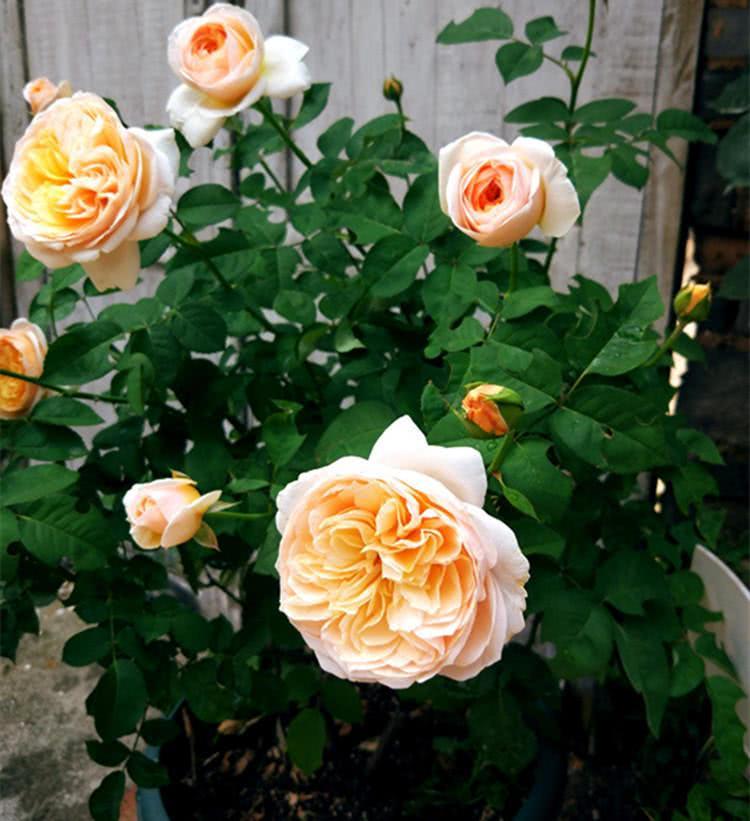
Kitchen scraps in rose pots are nothing new to anyone anymore. Rice-washing water, rice broth, these are already quite ordinary. Besides that, there's also liver and fish, which are plentiful during the holidays, plus cornmeal, that god-tier premium kitchen-scrap fertilizer. But today, what we're talking about is peanuts. Just thinking about it makes you feel there's bound to be a "surprise."
Speaking of this "surprise," it's not something like a pot bursting with blooms. Let me first keep you in suspense. Can you imagine what rose growers fear most when planting roses? Spider mites? Thrips? Or powdery mildew? In my view, none of these can beat the fear of being ruled by the "unknown." Who knows, maybe one day you come home to find bugs flying everywhere and ants crawling all over. But even so, gardeners still say the new recipes for roses just keep coming.
So, today what we're bringing is a gardener's peanuts. Don't get excited, they're not for the gardeners to eat, we're only giving them to the roses. An old batch of peanuts that the gardener had left sitting too long and really didn't know what to do with, didn't like eating them. If left any longer they'd inevitably get moldy, so since that's the case, might as well give them all to the roses. Seeing this gardener's wild idea, I can only clasp my hands in admiration and say, impressive. To be honest, I've really never tried the combination of peanuts and roses, and I dare not imagine the results. But one thing is to be expected, and that's bugs, plus plenty of other unknown "surprises."
The reason I'm a hundred percent certain there will be bugs is that the peanuts haven't been fermented, and they're still in their shells. Over time, this process will definitely happen on its own, and during the rotting process heat is produced, which immediately kicks off a barbecue mode, and root suffocation, root burn and the like all follow right after.
The most important thing is still the bugs. The rotting smell attracts all kinds of things: flying insects, ants, mosquitoes, flies, and countless parasites. That way, this surprise is just too big, and we'll have to use all kinds of pesticides to prevent bugs, like chlorpyrifos and kresoxim-methyl. Either way, we can't avoid a round of hassle.
When peanuts are placed in the pot and become damp, they'll also grow mold. If they get moldy and rot, they're even more likely to breed bacteria and pests and diseases. What others avoid like the plague might just explode from this very point as its origin. Since there are so many drawbacks, then just throw the peanuts away. Why keep them? Keep them for fermenting.
All the disadvantages we mentioned are caused by the lack of decomposition, because it completes the rotting process on its own. So we just need to separate out the peanuts, boil them, then bag them, and put them in an out-of-the-way place to let them grow fuzz and ferment. Then in autumn, using them as a base fertilizer for roses is absolutely a "big tonic." Don't waste the peanut shells either. The shells don't need fermenting and can be buried directly in the soil, a proper fertilizer.
When using peanuts and peanut shells as base fertilizer for roses, the thing to watch out for is watering. Because peanut shells are quite loose and airy, gardeners need to water the roses promptly, and each time water until it runs out the bottom of the pot.
In daily life we have a lot of kitchen scraps. Throwing them away hurts, but not throwing them away makes them a burden. And it's precisely under these circumstances that many bizarre rose fertilizing methods have come about. In this situation, the nutrition is of course beyond question, but before using it you still need to think it over carefully, and you really have to master the method properly. Otherwise, if it's all bugs, you can only regret it.
Of course, gardeners reading this are surely thinking, can't I just not use these on my roses? That's for sure, but roses are flowers that love heavy feeding. What to do? Use a liquid fertilizer specially made for roses instead. After diluting it, you can water the roots with it, no ill effects, and there won't be bugs. It can even promote robust rose growth. Note: once a week, and mix according to the instructions.
Some images are from the gardener: Qiufeng Yijiu