Don't Throw Away Potted Plants With Yellowing Leaves, 1 Small Pill Can Bring Them Back to Life
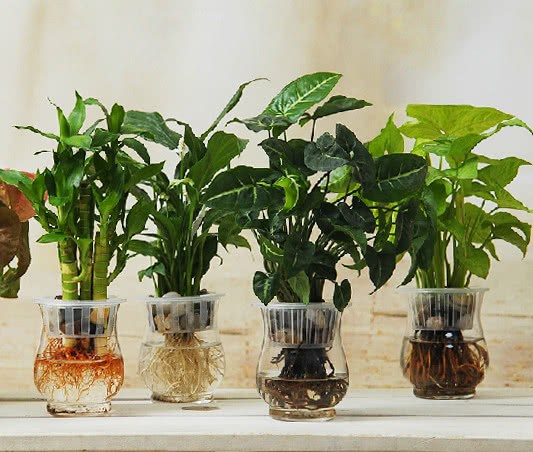
Many of today's experienced plant growers surely went through the same troubles at the beginning, not knowing how to water or how to fertilize properly. Indeed, when you first start growing plants, all kinds of problems always come up, and in the end the once healthy plants are ruined in your own hands, and in the early stages these plants are bound to show yellowing, withered leaves.
But why is it that even when you water on time and fertilize regularly, leaves still turn yellow and withered and new shoots refuse to grow? Huahua tells you that in most plants this happens because the root system inside the plant has already rotted and can no longer supply nutrients. The problem of root rot is also closely related to your day-to-day watering and fertilizing. So can a plant with rotted roots still be saved? Don't panic, this one small pill can help bring your beloved plant back from the dead.
This small pill is the common vitamin B12. As everyone knows, vitamin B12 has disinfecting and sterilizing properties, so using it to rescue a plant with rotted roots is just perfect. All we need to do is, when repotting the plant into fresh potting soil, add a solution made from one of these small pills, and after a while the plant can be reborn.
Of course, how exactly do you do it? Huahua will teach you right now. The first step is to take the plant with rotted roots out of its original pot, and rinse the roots under clean water to prevent any of the old corrosive soil from remaining.
The second step is to use scissors to cut off the already rotted roots and old roots. Remember, the scissors and other tools used for cutting roots must be sterilized at high temperature before use. This root-trimming procedure is like a person having surgery to remove necrotic tissue, both are meant to prevent secondary infection. After trimming the roots, we can also soak them in a 0.1% potassium permanganate solution, which disinfects even better.
The last step, and the most important one, is to soak the roots of the plant that has gone through the above process in a vitamin B16 solution. The sterilizing and disinfecting effect of vitamin B16 itself can better help the plant recover. After doing all this, you can plant the plant into a new pot and soil, and generally there won't be any big problems.
In the care process afterwards, you can also spray a little vitamin B12 solution on the leaves from time to time, so that the plant is protected from bacterial infection at all times. In fact, besides the above methods, in daily life we should pay extra attention to the plant's routine care, ventilate promptly, and let it receive more indirect light, so that over time the plant can absorb nutrients and grow strong.
Once you have learned Huahua's little trick, believe that whether you are a beginner or an experienced grower, you won't fear root rot in your plants anymore. Of course, it's still best to give them more care in daily life, so that your plants don't end up with root rot and yellowing leaves in the first place.