Henna naturally dyes beautiful fingernails, and it is easy to grow and pretty as a potted plant at home
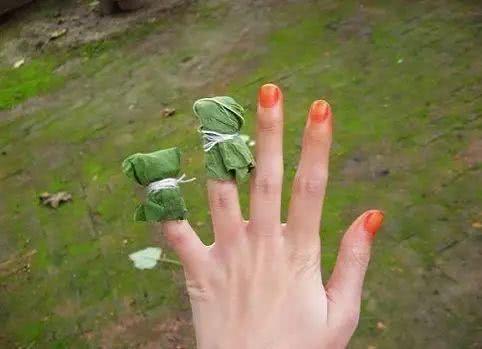
It is the natural "nail-dyeing flower"; a single bloom dyes your ten fingernails beautifully, and it is pretty and easy to grow as a potted plant at home!
This flower is called Impatiens balsamina, also known as henna, and in some places it is called nail grass. I still remember how, when I was little, the area along the courtyard wall at home was covered with patches of them. You could just pick a flower to dye your nails, and after repeating 2-3 times it would produce a beautiful color. It is a purely natural "nail-dyeing flower."
Henna is also very easy to grow. Its mature seed pods burst open on their own, and the seeds scatter freely onto the soil. Once they touch soil, they can take root and sprout, producing beautiful flowers, and it can be grown with rough, minimal care.
Now growing it in a flowerpot is also very easy, and it can still be used to dye fingernails, which is very fun, especially when you can grow several more pots in other colors.
Notes on caring for henna:
For potted plants, choose fertile, loose soil. You can mix some garden soil with sandy soil and leaf mold in a 1:1:1 ratio, and apply enough base fertilizer.
Henna likes sun but also tolerates shade. About 5 hours of scattered light each day is good, but in the current weather it should not be exposed to strong sun; provide appropriate shading and ventilation. Both too much shade and strong sun exposure easily cause its leaves to turn yellow.
When growing henna in pots, pay attention to watering. Avoid both overly dry and overly wet conditions, and water moderately. However, in summer it should be watered a bit more. Care for it according to its growth habits, and only then will the Impatiens balsamina bloom brilliantly.
Since enough base fertilizer has already been applied, potted henna does not need additional fertilizing, to prevent leggy growth that would make it less attractive. Also, when the seedlings are about 35 cm tall, we should pinch off the tops in time to encourage more branching and more flowers, and to prevent it from growing too tall, which would also affect its ornamental effect.