Growing beans isn't hard; pay attention to these few points and you're guaranteed a big harvest this year.
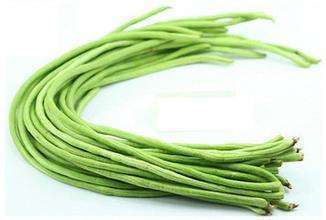
The summer sun is scorching, and many friends report having no appetite, not wanting to eat, and even less wanting to cook. Huahua feels the same way. Every summer, I sweat more than I drink water. Five minutes outside, an hour of sweating. Indoors you can't do without the air conditioner; without it, half your life is gone. Even though it's hot, you still have to eat, otherwise how would you have the strength to haul bricks?
Today Huahua is sharing a seasonal summer vegetable with everyone: the bean. Beans are a common vegetable in summer. Although you can see them in other seasons too, vegetables in season taste the best! Many gardening friends often ask Huahua to explain more about how to grow vegetables. Better today than some other day, so today Huahua will talk with everyone about how to grow beans!
When choosing the planting time, beans can be sown over a wide range; spring, summer and autumn are all fine for sowing. Generally speaking, 25-35°C is the best temperature for seed germination. Among these, seeds germinate and grow best at 35°C, and break through the soil and sprout fastest at 30-35°C. Once the plant grows its main vine, keeping the temperature at 20-25°C is most favorable for plant growth. When the temperature is below 20°C, beans will grow slowly and may even develop diseases. Therefore, anyone in each region who wants to grow beans should judge the planting time according to the weather temperature.
When sowing, be sure to remember: the fertilizer scattered should not directly touch the bean seeds, because fertilizer can easily burn the seeds!
Because beans have strong adaptability, they have no very rigid requirements for soil; choosing nutrient soil will give better results. As long as the soil is fertile and has strong air permeability, it's fine. But be sure not to plant them in soil that is very sticky, strongly acidic, or prone to waterlogging.
Beans have very low light requirements, so light has only a small effect on beans, but you still must not let beans get no light at all.
The root system of beans is very well developed and can extend to 80 cm, so during the process of bean growth and development, they will absorb a large amount of water. While beans are growing and developing, you should increase the amount of watering to prevent a series of problems caused by insufficient water, but also be sure not to water too much. Watering too much can easily affect the respiration of beans.
When fertilizing beans, the base fertilizer should mainly be decomposed organic fertilizer, with chemical fertilizer as a supplement. After fertilizing, remember to water. Strengthening the management of water and fertilizer is what allows beans to grow healthier and more vigorously.
Beans have many branches and vines. Building a good trellis can ensure the vertical development of the branches and vines. Generally, a ""-shaped trellis is very suitable for beans during growth. A ""-shaped trellis has good light exposure and ventilation, and can also help prevent pests and diseases. In addition, remember to observe the growth and condition of the beans in time to prevent the occurrence of pests and diseases.
Has everyone learned it? If you have any questions, you can tell Huahua in the comment section and let Huahua answer them for you.