Growing passion fruit as a bonsai takes only 4 steps, with big, delicious fruit and easy care
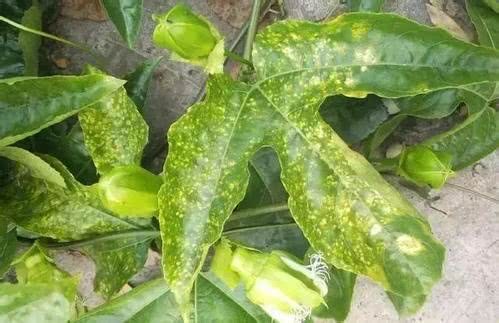
Passion fruit is also known as egg fruit. Eating passion fruit in summer has multiple benefits, including clearing the digestive tract, refreshing the mind and improving one's own immunity, so people often make it into juice or eat its seeds directly, and it can also serve as an ornamental plant in the courtyard. So how do you cultivate passion fruit in a pot? Do these few things and you can harvest delicious passion fruit!
I. Planting passion fruit
For home cultivation of passion fruit, seed propagation is usually chosen. Sowing is generally done in early spring, usually in March to April. When selecting seeds, you need to pick the seeds out of plump passion fruits, then rinse them clean and dry them in the sun, or soak the seeds in a carbendazim solution, which can also increase the germination rate of the seeds; sowing can generally be done after 3-5 days.
Sprinkle the prepared passion fruit seeds evenly over the potting soil, then cover them with a 1 to 2 cm layer of fine sand, and finally water the pot an appropriate amount and wait for the plant to sprout. After the plant emerges, once it has about 2-3 true leaves, the plant can be transplanted and set in place. During the seedling growth period, pay more attention to removing weeds, to avoid them taking up nutrients in the soil and affecting the plant's growth.
II. Passion fruit management
1. Light
If you want to harvest plump, nutrient-rich passion fruit, the plant must receive sufficient light. It must have no less than 8 hours of light per day, and it can generally grow under full-sun conditions; even in the hotter summer, passion fruit plants do not need any shading measures. If light is insufficient, the biggest effect is on fruit growth: the harvested fruit is usually rather shriveled in appearance, with less flesh, and the seeds are dried out with no flesh, giving a low level of nutrition and a taste far from the original flavor of passion fruit.
2. Soil
Passion fruit plants have no special requirements for soil and can grow well in ordinary soil too. However, sandy soil or leaf mold soil that is loose, well-draining and fairly fertile is usually chosen as the growing medium; this way the plant grows faster in the seedling stage, grows more robustly than ordinary passion fruit plants and is less susceptible to disease. By no means should it be grown in soil that is too heavy in clay, otherwise the plant will develop poorly and the fruiting rate will be greatly reduced.
3. Watering
Passion fruit is relatively drought-tolerant, so when air humidity is high, it does not need much watering; watering twice a week is enough. When watering, the potting soil should be watered through, but the soil must not be allowed to become waterlogged, otherwise it may cause root rot in the plant. When there is more rain in summer, pay attention to timely drainage of the pot, and the container chosen should have good water permeability. In the drier winter, because of the lower temperature, the plant's water consumption is lower, so the amount and frequency of watering need to be reduced; usually watering once every 7-10 days is suitable.
4. Fertilizing
In the seasons when the plant grows vigorously, such as spring and summer, passion fruit needs more fertilizing; apply a top dressing once every 7-10 days, and during this period add more phosphorus and potassium fertilizer. In the plant's fruiting period, apply a compound fertilizer based mainly on nitrogen and phosphorus fertilizer; it is not suitable to use a single fertilizer, and occasionally well-rotted nitrogen fertilizer can also be used as a substitute.
If fertilizing is not done in time, the plant will have its flower buds and fruit growth affected by the lack of nutrients; long-term lack of fertilizer easily leads to the plant withering, a short plant shape and so on, so reasonable fertilizing is very important.