Kalanchoe cuttings hard to root? Dip them in this kind of water at the Start of Autumn and easily fill a pot
Taking kalanchoe cuttings at the Start of Autumn, "hard to root"? That just means you haven't used this kind of "water" - dip once and fill a pot
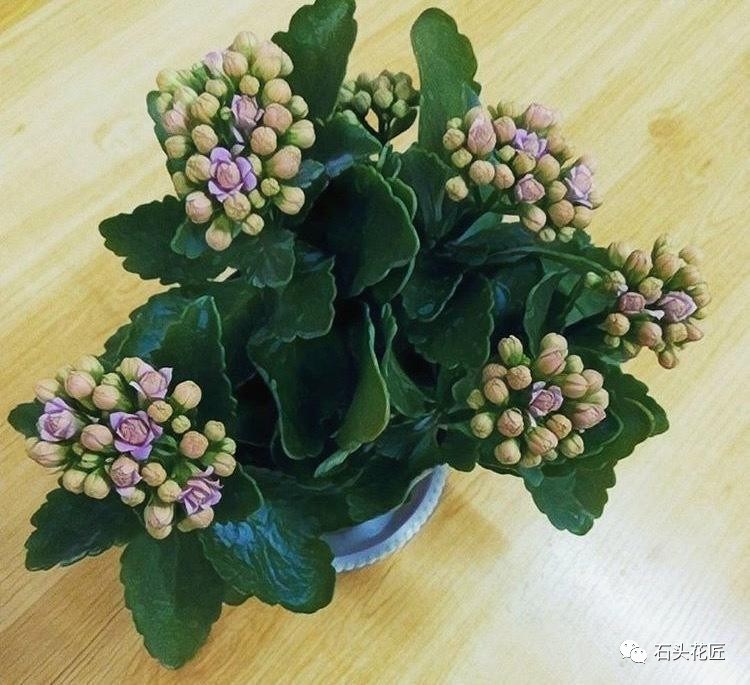
Kalanchoe is a common household foliage and flowering plant, with thick, plump, emerald-green leaves. It starts blooming in winter every year and keeps blooming until May-June of the following year, and some varieties bloom into autumn. It really is a blooming machine. Kalanchoe flowers emerge from the top of the plant, producing densely packed blooms.
Kalanchoe is good-looking and easy to grow, and its main propagation method is cuttings. Choosing this propagation method has two main advantages: first, potted plants grown from cuttings grow quickly, and if you take cuttings in this season, with suitable growing conditions they can bloom in winter; second, kalanchoe grown from cuttings has stable traits, with no variation in flower color or flower shape, maintaining the excellent traits of the mother plant. But some flower lovers report that when they take kalanchoe cuttings themselves, the survival rate is very low - the cuttings either rot or never sprout roots and shoots. Today Shitou is sharing the kalanchoe cutting method with everyone: before potting up the trimmed branches, you must dip them in these two kinds of water, which will greatly increase the cutting survival rate.
Trimming the cuttings:
When taking kalanchoe cuttings, be sure to select healthy branches and trim them off as cuttings. If you use a diseased plant, it will definitely affect sprouting. Cut 5-6 cm branches, keep only one pair of leaves below the terminal bud, and cut off all the rest to make the cuttings.
Dip in disinfecting and rooting water
Remember to disinfect plants when taking cuttings, especially herbaceous flowering plants like this, otherwise the branches are prone to rotting when inserted into the soil. Soak the bottom ends of the trimmed branches in a 0.1% carbendazim aqueous solution for ten minutes, then take them out and let them dry. Prepare some willow branches, trim them and soak them in water for one day to obtain a pale yellow liquid. This liquid is rich in salicylic acid, and salicylic acid can promote rapid rooting and sprouting in cuttings. Soak the cuttings in this aqueous solution for 30 minutes, then take them out.
Potting up and cultivating
For kalanchoe cuttings, choose a sandy soil that is breathable and permeable. Choose disinfected garden soil, humus soil and sandy soil mixed in equal proportions, and stir thoroughly to obtain the mixed soil. Bury the bottom 2-3 cm of the branches under the soil. Place the pot in a ventilated, shady spot, and in about a week they will take root and sprout. Once the plants have grown sturdy, place them outdoors for care. Carry out fertilizer and water management.
If you want the cuttings to bloom in winter of the same year, fertilizing is a very important step. When the plant grows to 6 cm tall, you can spray a 0.2% concentration monopotassium phosphate aqueous solution to promote plant growth and flower bud development. It is best to spray foliar fertilizer once a week, stop fertilizing before winter begins, and place the pot indoors for care.
That's the little knowledge about taking kalanchoe cuttings in autumn. If you find it useful, please like and follow below, and share it with more friends!
I am [Shitou Huajiang], and I share gardening and flower content every day. Remember to follow me!