Covering flowers in the yard with a layer of material has many benefits, and these mulches are very easy to use
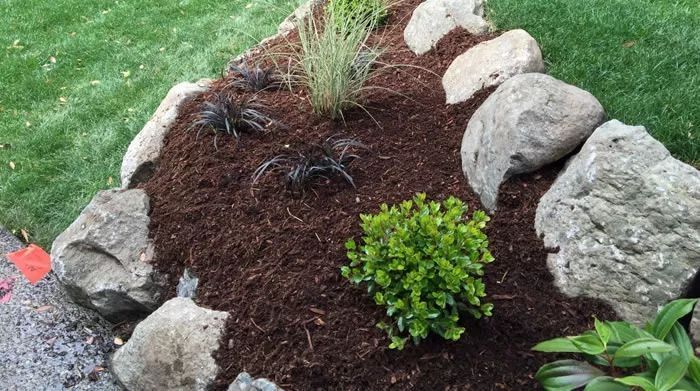
Covering plants and flowers with some fallen leaves is not necessarily a good thing, as it may lead to fungal infections. Below I will introduce the benefits of covering plants with some materials, and of course, you should also pay attention to the correct techniques for using them.
Adding some mulch on top of plants and flowers can greatly improve their ornamental appeal, also help prevent weeds from growing, and help keep the soil cool, while also preserving moisture in the hot summer.
Of course, if the climate where you are is humid and stuffy in summer, then you should avoid using mulch. Covering the base of the roots and stems of plants and flowers with some material can add nutrients as it decomposes in the soil, providing the plants with soil that is richer in nutrients.
You should choose suitable mulch for your plants and avoid using mulch carelessly. It is best to use organic mulch, such as the common fallen leaves, dry grass, wood shavings and bark. These lighter-weight mulches should be replaced at least once a year, and if they break down quickly, they should be replaced regularly. If you use wood shavings, then you need to replace them once every 2 to 3 years.
But when covering plants and flowers with mulch, you also need to choose the right time. Summer is not a suitable time; instead, spring and winter are more suitable. In winter, when temperatures are relatively low, properly covering the soil with some material can keep it warm and retain moisture, help prevent the base of the plant's roots and stems from frost damage, and help it resume growth after the warmth of spring.
The mulch you choose for your plants should be applied at a reasonable height. The thickness of the mulch should be around 5 cm. If the mulch is less than 5 cm, then it will be hard for it to prevent weeds from growing. Of course, the thickness should not exceed 7 cm, otherwise it will affect the growth of the plants.
When laying out mulch, avoid placing it in unreasonable positions, so the plants should also be kept at a reasonable spacing; avoid planting them too densely, and choose a reasonable mulch. The mistake people most easily make is piling mulch around the roots and stems of plants and flowers.
This has no real effect on protecting the plants, and it easily breeds pests and diseases, and also easily causes black rot or root rot.
Avoid piling these mulching materials at the very base of the plant's roots; instead, place them around the plant and gently push the mulch aside a little to keep the air circulating around the plant's roots and stems.
Mulch should not be buried against the plant's roots and stems. When laying mulch, wear gardening gloves to avoid hurting your hands. If your soil is often very dry, then water it thoroughly before laying the mulch. Before laying the mulch, if there are many weeds on the ground, remove them promptly as well to make the whole garden a little cleaner.
There are also some taboos when using mulch. It should not be used when it is hot and humid in summer, and it should not be used in places where the environment is not well ventilated.