Using rice water and plant ash to grow flowers: a treasure when used right, a poison when used wrong
Gardeners all know that when buying a plant, they ask: can this plant survive where I live? Most plants and flowers have some requirements for their environment, such as whether the winter temperature is suitable and whether the light conditions are suitable. And these north-south differences are huge, so northern and southern gardeners still need to pay attention to the differences when growing flowers. Applying a master gardener's secret tips may not necessarily suit local conditions.
“
Growing flowers in the north and south
”
Soil acidity and alkalinity
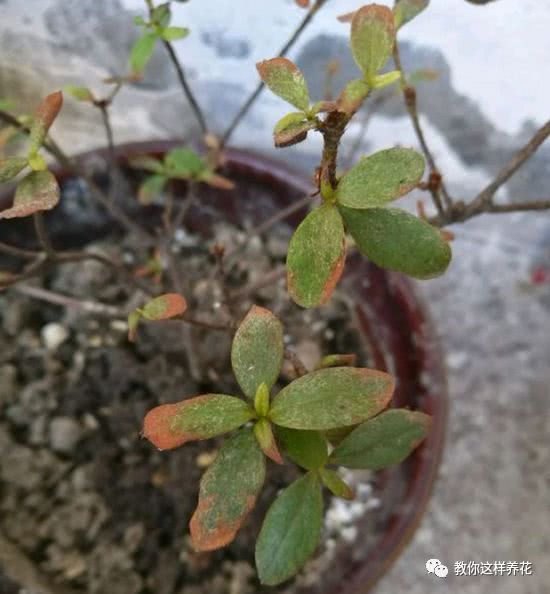
After tens of thousands of years of growth and evolution in their native places, plants have developed growth mechanisms adapted to the local environment. Simply put, plants have their own temperaments. Soil is the foundation of growing flowers; all nutrients come from the potting soil. If the pH of the potting soil is unsuitable, the growth and development of plants and flowers are easily affected. Nowadays many gardeners grow southern flowers in the north and northern flowers in the south. Many northern gardeners who grow gardenia, rhododendron and camellia often see yellowing and drying, and the pH of the potting soil has a lot to do with it.
Fermented rice water is weakly acidic, and the water in many northern places is alkaline, so using rice water to water flowers in the north is very suitable.
Plant ash is the ash left after burning firewood and grass, and is high in potassium. Plant ash is weakly alkaline, and it can improve some southern acidic yellow mud soils that have very little humus. Besides that, it can also increase the germination rate of seeds and reduce pest damage, so plant ash has broader uses in the south.
Temperature and humidity differences
The impact of north-south temperature and humidity differences on growing flowers is especially obvious in winter. In the southern winter, what plants and flowers need to pay more attention to is keeping warm. For example, plants such as pothos and spider plant should be brought indoors in time to avoid cold damage from cold waves, which can freeze leaves, roots and stems.
After bringing them indoors, if the temperature still cannot meet the requirements for overwintering, you can also raise the room temperature or cover the flower pot with a plastic bag to increase the ambient temperature.
Northern gardeners basically all have heating, so they do not need to consider the effect of temperature, and instead should consider the problem of humidity. Places with heating are mostly very dry. Some foliage plants and southern flowers have relatively high humidity requirements, requiring air humidity of no less than 60-85%, otherwise growth is unfavourable. If placed in a dry environment, dry tips, cracked leaves or wilting can easily occur.
Increasing air humidity and spraying water mist on the leaves can also relieve the symptoms of dry air.
So the master's experience cannot be used just because you want to
You still have to consider your own actual situation!
Now I understand!
After reading, show it to other gardeners!