Don't Rush to Throw Away a Money Tree with Root Rot - Rescue It This Way and It Will Soon Be Full of Lush Branches and Leaves
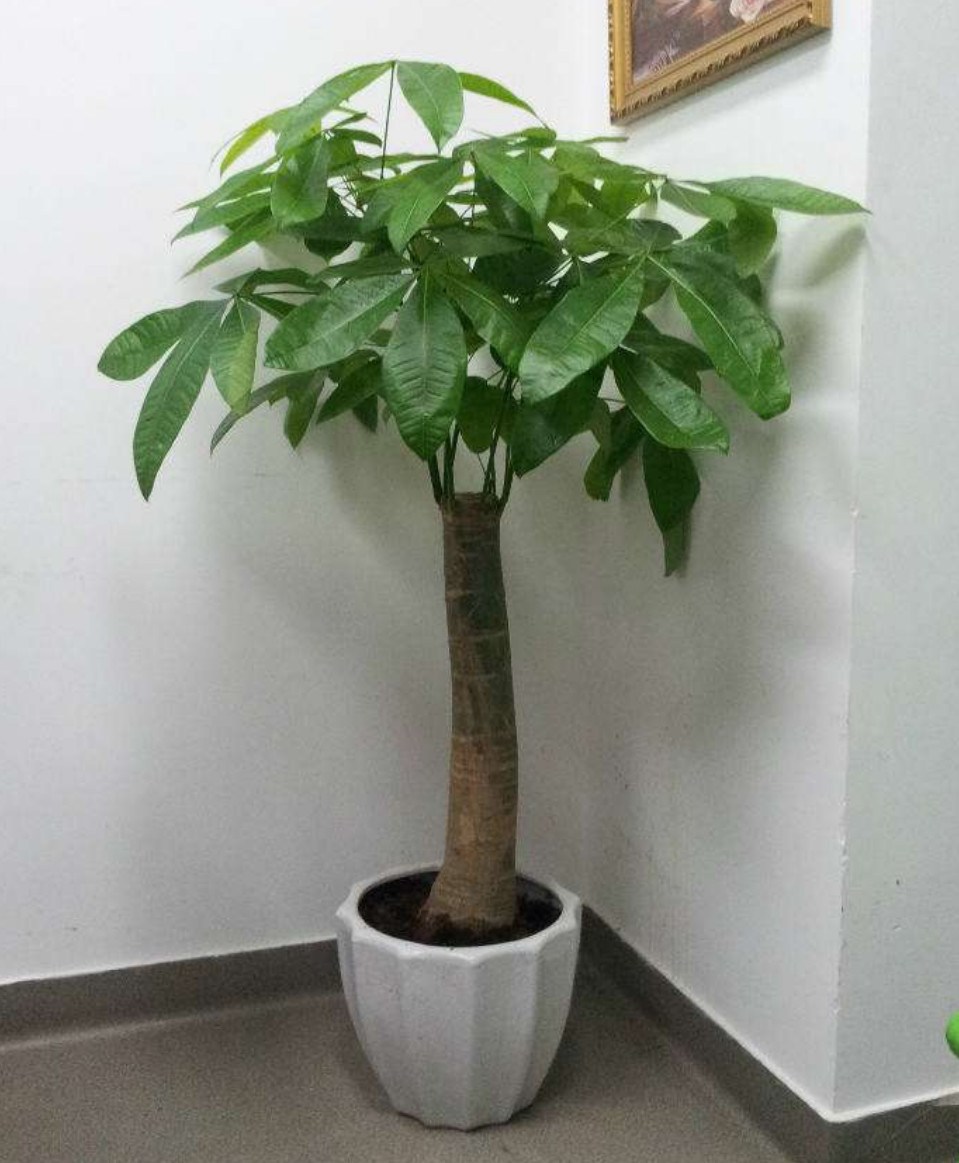
The money tree (Pachira aquatica) has an auspicious meaning, a beautiful plant shape, and stems and leaves that stay green all year round, making it a very ideal indoor foliage plant. The money tree likes a humid growing environment, but it also dislikes water accumulating in the pot, so improper cultivation can easily lead to root rot. If your money tree has yellowing leaves and wilting while slime is flowing out above the roots, you can basically determine that it has root rot. If you discover root rot and there is a chance of saving it, by all means do not throw it away. Follow the steps below, and after careful care it will once again be full of lush branches and leaves.
In most cases, root rot in money trees is caused by overwatering the soil, growing temperatures that are too high, poor ventilation, and bacteria breeding in the potting soil. The money tree's stem is strong, but its root system is very weak. Precisely because the roots are weak, the money tree has relatively high requirements for the pot and soil. When growing a money tree at home, try to choose a smaller and shallower pot. Use loose, breathable, well-drained, slightly acidic soil.
Money tree root rot falls into several situations: one is partial root rot, one is all the roots rotting, and another is the roots along with the stem all becoming soft and rotting. In the first situation, where part of the root system has rotted, you can use a sharp small knife to cut away the rotted part, soak the remaining roots in potassium permanganate solution or carbendazim solution for disinfection, and after drying, replant them in soil. After repotting, place the plant in a cool, ventilated place to recover for a week, during which spray the leaves with water to keep them moist. After the plant has clearly recovered, gradually give it scattered light.
If you encounter the second situation, where all the roots have rotted, you must cut off all the rotted parts, soak them in potassium permanganate solution for disinfection, and after drying place them in clean, slightly moist coarse sand to root. During this period, cut off yellow leaves and some healthy leaves, keeping a small portion to aid photosynthesis and reduce nutrient consumption, and spray water on the leaves and substrate to keep them moist. Wait until new leaves grow and growth is stable, then change the soil and replant.
If you encounter the third situation, where all the roots have rotted and the stem has also become soft and rotted, there is basically no need to try to save it. The money tree likes plenty of scattered light. In spring, autumn, and winter, when the sunlight is not strong, it can be given some sun appropriately. In the peak of summer, it needs shading; you can move the plant to a place with scattered light and ventilation, and spray the leaves with water to keep them moist. Water only when the potting soil is slightly dry, to prevent water accumulation and root rot. In winter, when temperatures are low, watering the money tree should be controlled even more; generally, do not water until the potting soil has dried out completely.