What to do when a Radermachera (Radermachera sinica) gets leaf spot disease? Teach you 2 tricks for lush green growth
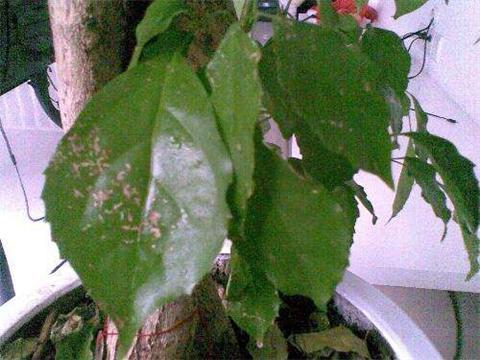
When a Radermachera gets leaf spot disease, the main concern is the ornamental leaves. It usually starts on the lower leaves and then slowly spreads upward until it reaches all the leaves. In the early stage of leaf spot disease on a Radermachera, the leaves will have spots of varying sizes that are round or nearly round, with a few irregularly shaped ones. The spots range from purple-black to black, with the color at the edges being relatively lighter. When the color of the spots gradually deepens, you need to pay attention and take measures.
Afterward, the color of the spots deepens to black or dark black, making them fairly distinct from healthy leaves. In the later stage, the center of the spots fades in color and develops small gray-black mold spots.
In severe cases, the spots clearly merge into patches and spread rapidly, causing the leaves of the entire plant to turn yellow and fall off.
Leaf spot disease on Radermachera generally begins in early summer, and preventive measures need to be taken at this time. In summer, with high temperature and high humidity, the disease becomes severe, and the lower leaves of the Radermachera are more susceptible to infection than the upper leaves. By autumn, the damage from this disease becomes severe for the plant.
Prevention and control methods:
(1). To prevent leaf spot disease in Radermachera, keep it in a well-ventilated place with sufficient light, promptly evaporate the moisture on the leaves, and avoid high temperature and high humidity, which can cause water accumulation leading to leaf rot and yellowing, thereby triggering leaf spot disease.
(2). Leaves of Radermachera infected with leaf spot disease need to be removed and cleaned up promptly. Spray with a 600-fold dilution of 50% carbendazim wettable powder, once every 15 days, for 3 sprays each time; this can effectively control the disease. For potted Radermachera, apply Dakning cream ointment to the affected leaves of the plant.
When signs of disease are found, treatment must be carried out promptly, and daily preventive work should also be done well. Generally, keeping it in a well-ventilated place can prevent the disease, allowing the plant to grow healthily, with lush green leaves and vigorous growth!