Clematis got sick and developed spots? Spray pesticide in time to kill pests and get vigorous growth
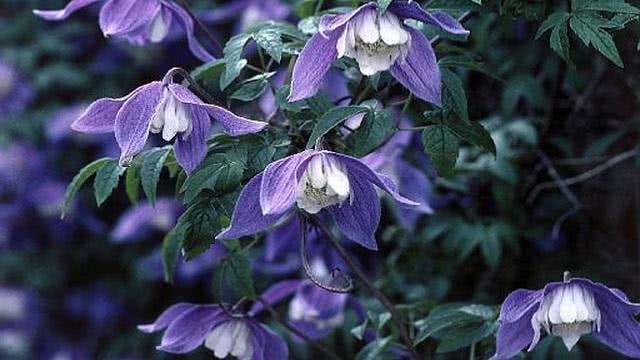
There are mainly two reasons why clematis stems turn black: one is improper care, and the other is pests and diseases. If it is the first reason, the plant needs better growing conditions, and if the situation is serious, it also needs to be taken out of the pot and repotted. If it is the second reason, the diseased branches need to be cut off in time, and then pesticide should be sprayed for treatment.
1. Solve according to different situations
(1) Specific cause: It may be caused by unsuitable care conditions. However, many factors can cause the stems to turn black. For example, too much watering causes root rot, and then the stems turn black. It may also be that too much fertilizer was applied or the concentration was too high, causing fertilizer damage. It may also be poor ventilation, causing problems with the entire growth of the plant, and then the stems turn black.
(2) Solution: According to different situations, first determine which part has the problem. Then, treat the symptoms accordingly. If the stems turning black is very serious, then the plant needs to be taken out of the pot, and the blackened parts should be pruned off. Then, select good parts for cuttings. However, after cutting, treat the wounds with a disinfectant.
2. Treat diseases
(1) Specific cause: There is another important cause of stems turning black, which is disease. The most likely one is "branch blight". In the early stage of the disease, small spots appear on the stems. After that, the spots slowly expand and look as if the stems have turned black.
(2) Solution: After finding diseased branches, cut them off in time and dispose of them promptly so that they do not continue to infect healthy branches. Note that pruning should be done on sunny days. After cutting, treat and disinfect with Bordeaux mixture. Then, chemical treatment can be used, such as 50 percent concentration carbendazim solution.