Is planting roses in the ground really so easy? Not necessarily. These 7 points are worth remembering.
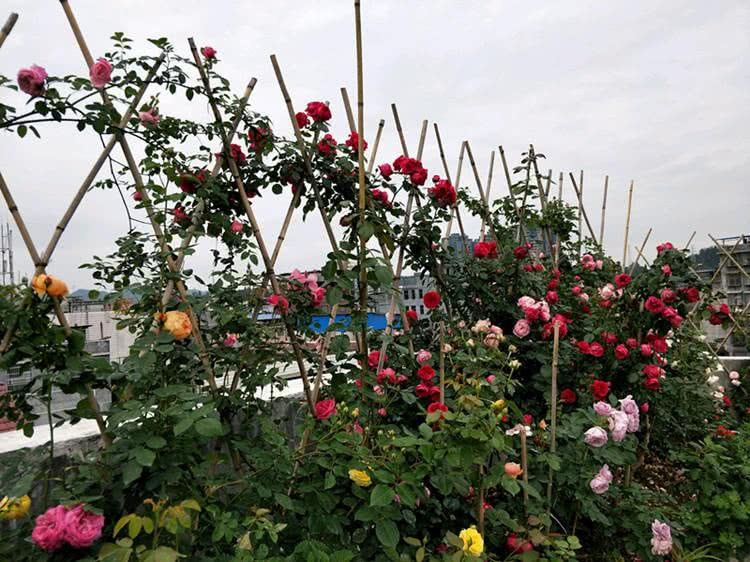
Many gardening enthusiasts say that planting in the ground is easy and saves a lot of trouble compared with balcony growing, but ground planting does not mean you can completely sit back and do nothing. Ground planting also has its own points to watch out for, and may even require more care. For example, the following 7 points are ones that gardening enthusiasts must remember well.
1. Variety issues
Everyone says ground planting is good, but some seedlings are simply not suited to it and actually grow better in a small flower pot. Generally speaking, climbing and shrub types are more suitable for ground planting, as their plants are tall and their root systems are well developed, so ground planting gives them better growing space. Relatively suitable varieties for ground-planted roses include: Pink Dragon, Angela, Parade, Eden Rose, Red Dragon, Tess of the d'Urbervilles, Jasmina, Puff Beauty, St. Swithun, Evelyn, and Cherry Blossom, among others. They are all very suitable for ground planting.
Besides miniature roses, what else is not suitable for ground planting? Newly repurchased seedlings, because at this time the small seedlings' root systems are not yet robust, and ground planting can easily cause stalled growth. After all, compared with potting soil, garden soil is still quite hard, and its air permeability is not as good as potting soil, so small seedlings grow relatively slowly when planted in the ground.
2. Location issues
Now that the seedlings have been chosen, where should they be planted in the ground? The best answer is vegetable garden soil. As the name suggests, this is soil from a garden used for growing vegetables. If it can grow vegetables, growing roses in it is naturally no problem at all, but that would take up space, so it is still not the very best choice. Can other places work? They can, as long as the soil is loose, breathable, and not compacted. Soil that is soft and does not form a ball when squeezed by hand is quite suitable. The selection standard for ground planting is the same as the standard for choosing soil for potted plants.
3. Light issues
Roses like sunlight, so when planting in the ground they should not be placed in a shady spot. The daily sunshine duration should be at least five hours. This is the primary condition for encouraging roses to bloom, but if they are exposed to blazing sun for too long, it may also cause dead branches on the rose plant, so choosing the location is also very important.
4. Environmental issues
Compared with potted plants, ground-planted roses have a special point to note, which is the environmental issue. The ground-planting environment is open, weeds often appear, and the planting environment is complex. Moreover, many of the pests that appear are not pests exclusive to roses. While caring for ground-planted roses, we should pay attention to the surrounding environment, clear away weeds, and control insects, creating a good living environment for the roses.
5. Root issues
Unlike potted plants, ground-planted roses are not often repotted. They usually stay in the same place after being planted in the ground, so we cannot promptly discover some root problems. Therefore, careful observation is needed. If a rose has problems, considering root factors is also essential.
6. Fertilization issues
For fertilizing ground-planted roses, nitrogen fertilizer is generally used. The base fertilizer for roses must be applied generously, and organic fertilizer is best. Generally, the base fertilizer uses decomposed animal manure, bean cake, oil residue, and so on. Throughout the entire growth period, whenever buds sprout and leaves appear, you can use an organic liquid fertilizer specially for roses, diluted 500 times to water the roots. On the second day after fertilizing, water with "return water" to prevent fertilizer burn.
7. Watering issues
Watering roses also follows the principle of not watering when not dry, always watering after drying, and watering thoroughly when watering. Then, according to seasonal climate changes, increase or decrease the frequency of watering, so long as the soil is kept from drying out. The special case is when encountering the plum rain season in the south and continuous rainy days in the north, when watering should be controlled and drainage should be paid attention to.
That is all for ground planting roses. As long as you put your heart into it, whether potted or ground-planted, roses can bloom all over the branches!