Rose dormancy meets hot weather: never over-fertilize
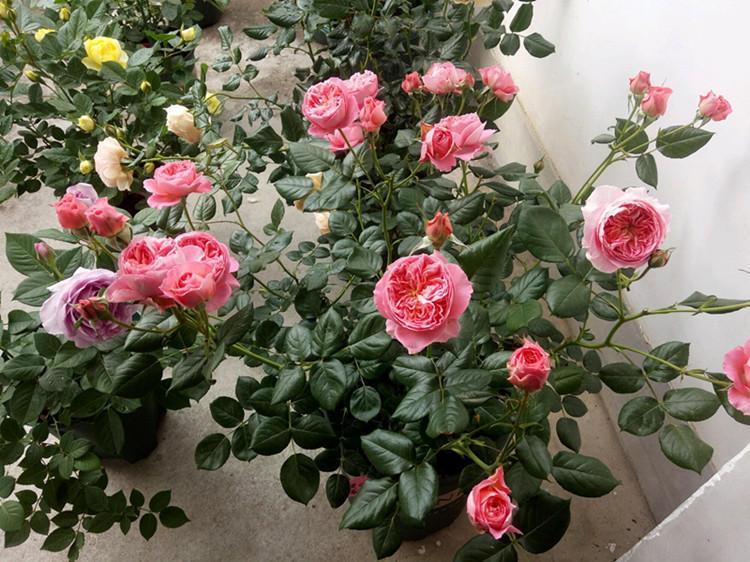
Roses love fertilizer and are big eaters. They are highly compatible and can take in all kinds of nutrients, so "overeating" inevitably leads to fertilizer burn - mild cases stall growth, severe cases kill the plant outright. It sounds like a real handful, but as long as we prevent it properly, fertilizer burn and the like will stay far away.
In the previous issue we already covered in detail the causes of fertilizer burn. There are many - external ones, plant-related ones, and fertilizer-related ones - and the ways to prevent fertilizer burn correspond one-to-one with these causes. As long as we avoid these landmines, fertilizer burn will not happen.
The first issue is raw fertilizer. For details, refer to the previous article. As long as we never apply raw fertilizer, this path to fertilizer burn is basically blocked.
The most important thing is still the fertilization itself. Whether it is the method, the timing or the seasonal characteristics, we must master them all. Apply weak fertilizer frequently, pay attention to frequency, and diversify fertilization to avoid using a single fertilizer long-term. Fertilize reasonably according to the situation, and by doing these things the chance of fertilizer burn is greatly reduced.
Plans always fall short of change. We may discuss things well, but a horse can stumble and a person can slip. If fertilizer burn happens, do you know how to handle it? No? That is fine. Today I will teach you the emergency treatment. Whether your rose stalls in growth or dies on the spot depends on you!
After discovering fertilizer burn in a rose, the first task is to reduce the fertilizer concentration, the faster the better. Anything not yet absorbed should be dug out quickly; anything already dissolved in the soil should be flushed out with plenty of water to lower the ion concentration and wash away excess nutrients. When flushing with water, pay attention to the drainage of the pot. If it does not drain, poke it with a stick so the fertilizer mixed in the soil can be washed out to the greatest extent possible.
After flushing several times, you can use a tool to loosen the surface soil, because fertilizer burn is caused not only by too much fertilizer but also by the excessive heat from raw fertilizer. So loosening the soil promotes the rapid volatilization of harmful gases and the release of residual heat, and encourages aerobic respiration of the roots and restoration of normal function.
Once the root problems are dealt with, what about the nutrients that have been absorbed and circulated throughout the plant? We can spray the burned leaves with clean water to wash away fertilizer residue on the leaves, and when appropriate prune off the diseased leaves. After doing this, place the plant in a ventilated, shaded spot to recover. At the same time, watch the moisture of the potting soil and whether any heat remains. If the potting soil is wet and still feels warm to the touch, it is best to move the plant somewhere with better ventilation, so that overly wet soil does not cause root rot, and ventilation also speeds up heat dissipation.
If the fertilizer burn is relatively severe, you can also use some organic liquid fertilizer specially made for roses to help the plant recover its vigor and regulate its physiological functions. Follow the usage ratio, dilute it and water it into the roots.
Fertilizer burn is very common, but that does not mean its destructive power is ordinary. Right now it is the hot summer, the potting soil already runs hot, and dormancy is added on top, so the chance of fertilizer burn rises greatly. Therefore I still recommend choosing foliar fertilizer more often in summer, as this is a bit safer.