When repotting orchids, you must pick the right time, or they will throw a tantrum.
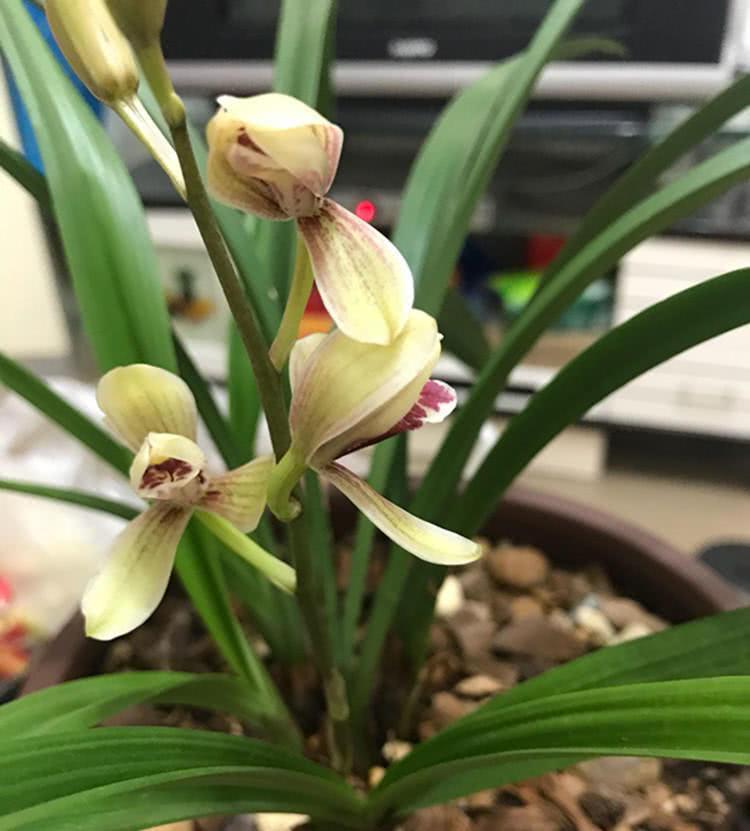
Orchids grow in deep valleys and do not cease to be fragrant just because no one is there. They possess a plain, quiet, elegant and noble character. Many flower lovers keep 1-2 pots of orchids at home, but they always feel they cannot grow them well. At this point, the orchids need repotting, and repotting orchids has a timing requirement, otherwise they will "throw a tantrum" at you.
Many flower lovers know how to repot orchids, but because they have no sense of timing, they do not realize that after repotting, the orchids develop many problems. So, when repotting orchids, what counts as having a sense of timing?
Orchids have fleshy roots, and caring for the roots is the foundation of growing orchids. We repot orchids mainly because during long-term growth, the potting medium has been depleted of nutrients and the root system has grown too much, affecting the orchids' growth. However, if you have no sense of timing and suddenly repot the orchids, they will not adapt to the new environment all at once, and combined with unsuitable timing, problems will arise.
Therefore, when repotting orchids, we generally choose the suitable spring and autumn seasons. In spring and autumn, the orchid plants are at a mature stage, which can reduce the damage rate. In the first half of the year, it is best from the Spring Equinox to Grain Rain; after the flowering period ends, the leaf buds have not yet sprouted, so they are not easily damaged, and repotting can be done at the right time. In the second half of the year, it is best from the Start of Autumn to Frost's Descent; orchids enter dormancy, so repotting at this time will have less impact on their growth.
Note that in summer, when the weather is hot, you must never repot orchids or change the potting medium. However, if you find that the orchids have root rot problems, you still cannot avoid repotting. Flower lovers need to take them out, trim off the rotten parts cleanly, then replant the remaining healthy plants, replacing them with clean potting medium, and it is best to use a cultivation substrate specially made for orchids. Disinfect the wounded parts with carbendazim or chlorothalonil.
In addition, after repotting orchids, first place them in a ventilated and breathable spot, and only after the wounds have healed should you water them thoroughly with a watering can that releases water evenly. When growing orchids, besides paying attention to the timing of repotting, flower lovers all know that "whether orchids live or die depends on watering, and whether they grow well or poorly depends on fertilizing." When fertilizing, it is recommended to use an organic nutrient solution specially made for orchids; just drip a few drops directly into mineral water.
When growing orchids, besides needing a sense of timing for repotting as mentioned above, you also need to pay attention to several points:
1. If you want the orchid root system to grow well, pay attention to "shade produces fewer roots, sun produces vigorous roots." Simply put, this is a matter of light.
2. Choose a good pot so its roots can grow "comfortably"; it cannot be too large or too small, and the specific situation depends on the size of the orchid. You can also avoid the problem of standing water; once standing water occurs, the roots will rot.
Every small detail can make orchids "sick," so flower lovers should pay attention to the growth habits of orchids while growing them, master the methods well, and carefully summarize their experience.