Growing flowers the unconventional way, every plant bursts with growth and overflows, absolutely stunning
Sticking to the old rules, can you really grow flowers well just by watering and fertilizing? No way! A certain flower enthusiast invented a "force-feeding" method for growing Bougainvillea, and the results are pretty good. Let's see how it's done!
Force-fed Bougainvillea
Previously there were many flower-growing tips online, and the most common one was composting fertilizer at home, but in the middle of summer isn't it a bit too smelly, and indeed a bit unhygienic. With this method you don't need to worry! But this method has one prerequisite: your flowers must be placed on an open-air balcony, or the ventilation must be very good and the sunlight very ample.
Step 1:
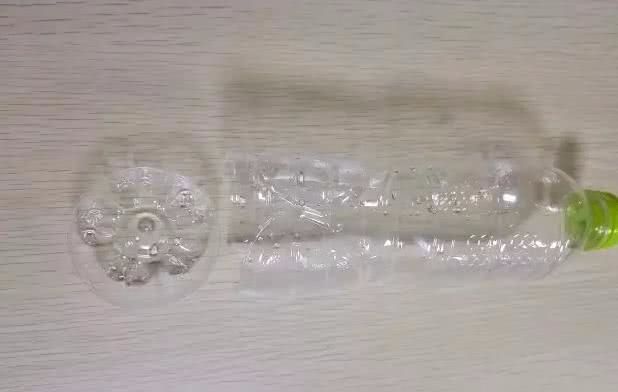
First prepare a plastic bottle, the kind that holds 500 ml is fine, and cut off the bottom of the bottle.
Step 2:
Insert the plastic bottle along the edge of the flower pot. Because the bottle wall is quite sharp, during insertion be careful not to get too close to the root system, and do not insert it too deep and cut the roots.
Step 3:
Open the bottle cap and pour in the raw materials you originally wanted to compost (just a small amount). Under ample sunlight, they will ferment directly inside the bottle! You don't need to worry about any odor at all! (The part that can compost is only the portion above the soil, so you don't need to worry about burning the roots.)
Step 4:
From then on, whenever you have vegetable leaves or fruit peels at home, you can just stuff them in, producing a continuous supply of fermented fertilizer! Occasionally you can shake the bottle so the fertilizer inside better nourishes the surrounding soil.