3 herbs that are beautiful and delicious, perfect for both balcony pots and garden beds
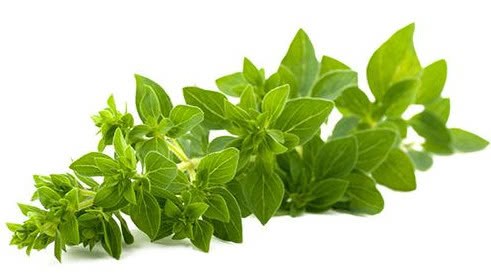
Herbs are hugely popular with balcony gardeners, they grow vigorously and come in a rich variety of types. Today the editor recommends 3 herbs that can be grown in balcony flower pots or planted in garden beds.
1. Oregano
Oregano originated along the Mediterranean coast, in North Africa and West Asia, and is a perennial herbaceous plant of the genus Origanum in the mint family Lamiaceae. It is said that since medieval Europe, the special fragrance of oregano has deeply attracted many people, who not only made it into sachets to carry with them, but also gave it a place in the realms of cooking and herbal tea. Because oregano is commonly used to season Italian pizza, it is also called pizza herb.
The whole oregano plant is used as medicine; it can prevent influenza and treat conditions such as heatstroke, colds, headache with heaviness of the body, abdominal pain, and food stagnation with abdominal bloating. Its function of dispelling cold and inducing sweat is even stronger than that of mint.
Growing method:
Oregano prefers warm, humid weather and has strong adaptability. It is best cultivated in sandy loam that faces the sun, has deep soil, is loose and fertile, and drains well. It is not strict about soil and can generally be grown in ordinary soil, but alkaline soil and sandy soil are not suitable for cultivation.
How to eat:
Oregano leaf powder tastes mild, has a very strong aroma, and leaves a slightly bitter aftertaste. It can be used in cooking and roasting meat, meat patties, pies, fish, seafood, vegetables, bread, egg dishes and more. It is often used in braised meat, tomato soup, Italian vegetable soup, beef soup, cream sauces, and mushroom sauces.
2. Dill
Dill was called "foreign fennel" in ancient times. It was originally a plant that grew in India, looks like fennel on the outside, bears small yellow flowers and produces small fruits, and spread from the Mediterranean coast to various European countries. Dill can treat indigestion, bad breath and other issues, and for nursing mothers it also has the effect of promoting lactation. The most common use is sprinkling it on cold fish dishes and smoked salmon to remove fishiness or as a garnish; it can also be added to pickles, soups or sauces, or made into bread, taro and seafood dishes.
Growing method:
Dill is suitable for neutral or slightly acidic soil and needs fertile soil along with good moisture and light conditions.
How to eat:
The aroma of dill is somewhat cool, mild and not pungent, with a spicy, fragrant and sweet taste. It is suitable as a seasoning for stews, seafood and more. Adding dill to soups, green salads and some seafood dishes helps enhance the flavor. The most common use is sprinkling it on cold fish dishes and smoked salmon to remove fishiness or as a garnish; it can also be added to pickles, soups or sauces, or made into bread, taro and seafood dishes.
3. Thyme
A spice commonly used in European cooking, it tastes spicy and fragrant and is used in stewed meat, eggs or soups. In European tradition, thyme is considered a symbol of courage, so in the Middle Ages it was often given to knights setting out for battle.
The whole thyme plant has a fragrant scent. Very early on it appeared in people's lives as a spice vegetable and honey-source plant, and it is one of the natural seasoning spices that humans have used from ancient times to the present. As early as the Yuan Dynasty in China, there are records of using thyme as a seasoning spice.
Growing method:
It prefers warmth and likes sunny and dry conditions. It is not demanding about soil, but grows well in calcareous soil with good drainage. It needs loose, well-drained land in a sunny spot.
How to eat:
When cooking seafood, meat, fish and other foods, a little thyme powder can be added to remove fishiness and increase the flavor of the dish; adding thyme when making pickled vegetables and pickles can enhance their fresh and grassy fragrance.