Can a pothos be kept in the bedroom while you sleep?
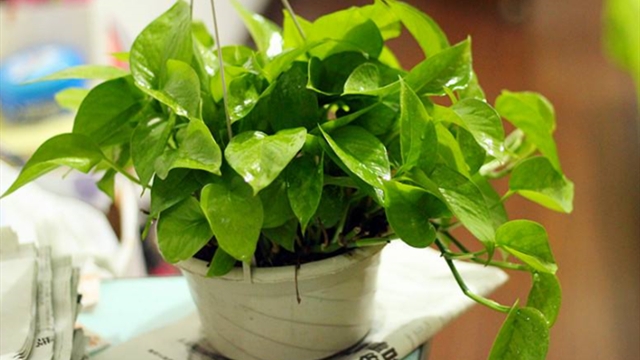
I. Whether it is possible
A pothos can be kept in the bedroom while you sleep, but do not place too many of them, so as not to affect people's sleep quality. At night, generally all plants carry out respiration; they absorb oxygen and release carbon dioxide, and over a long period this can affect a person's normal rest. However, keeping just a small number is no problem and will not have any effect.
II. Notes on keeping it in the bedroom
A pothos can be placed in the bedroom; one or two pots will not have any effect, but the number must not be too large, otherwise, when they carry out respiration at night and release too much carbon dioxide, the loss will outweigh the gain. At night it has very heavy yin energy, so it is best not to place it right by the bed or beside the pillow.
II. Care methods in the bedroom
1. Watering: Pothos likes moist soil. In the bedroom in autumn and winter, reduce watering, since at low temperatures water evaporates more slowly. You can choose to use a spray bottle and spray the leaves. In the hot summer you can water frequently; depending on the situation, water once every two days, but the amount of water must not be too much.
2. Temperature: Give it a growing environment of around 20°C. In winter the temperature should also be kept above 10°C, and in summer you can place it in a shady spot for care.
3. Fertilizing: For pothos, fertilizing once every half month is usually enough; reduce fertilizing in autumn and winter. After the beginning of winter, fertilizing should mainly be done by spraying the leaves. You can use a special foliar fertilizer; it will be absorbed through the stomata on the leaf surface, ensuring nutrition.