How to grow dwarf gardenia? Learn the correct cultivation methods
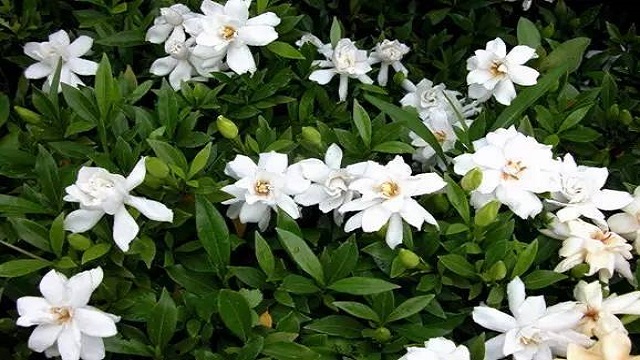
1. Growing environment
(1) Soil: The most important requirement is that it be acidic. In addition, it must be nutrient-rich and loose. You can choose to mix leaf mold, peat soil, and garden soil, then add some sawdust.
(2) Watering: It is best to judge based on the condition of the surface soil. Water only after the surface has dried. It is best to do this in the evening.
(3) Fertilizing: First, a base fertilizer, using decomposed cake fertilizer. Next, during the growing season, apply alum fertilizer water once a week. During the flowering period, also use potassium dihydrogen phosphate. However, stop fertilizing when the temperature is above 35 or below 15.
(4) Light: It likes light, but is afraid of overly strong light. It is best to keep the light level at around 60 percent.
2. Regular repotting
The plant grows relatively vigorously and needs regular repotting. This is generally done in March of spring. Use new soil, and decide whether to change the pot based on the specific situation.
3. Proper pruning
Based on the overall shape, it is enough to keep only three main branches. The remaining branches that are too dense, already dried up, or diseased should be dealt with promptly.
4. Propagation methods
(1) Sowing method: This is the main method. It is generally done in spring. However, with this method, it sprouts very slowly. It may even take about a year to sprout, and only bloom after three or four years.
(2) Cutting method: In the south, it can be done between April and the Start of Autumn; in the north, it must be done in a greenhouse. Choose two-year-old branches as the material, and transplant after they take root. It can bloom in about two years.