Rice water plus a small tablet sprinkled into the flowerpot, why did 20 pots of flowers wither and die overnight?
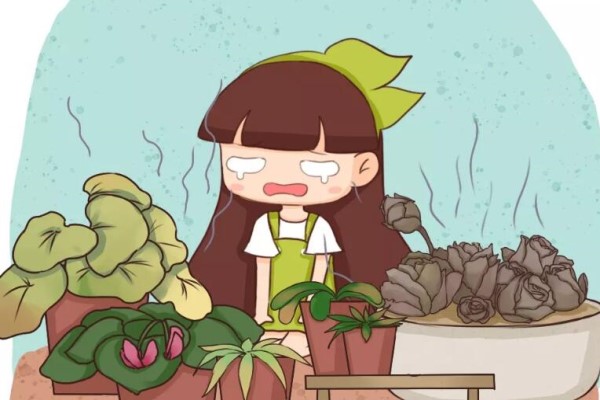
Fertilize a newly planted flower once, and the roots and stems all rot
A newly transplanted plant is either thin and weak or has many wounds. At this time, under external stimulation, the wounds heal slowly, and fertilizing easily causes the roots and stems to rot.
When traveling on business or just moving to a new place to live, people often fail to adapt to the climate and water, catching colds, fevers and diarrhea. If at this time they still eat "tonics", it will only "add fuel to the fire".
Fertilizing sick and weak plants attracts pests and yellows the leaves
Sick and weak plants have thin and weak branches, poor photosynthesis and slow metabolism. They cannot absorb fertilizer, and instead it causes fertilizer burn!
Think about whether you, when sick, can still eat rich meat and fish? A weak body cannot tolerate tonics. Growing flowers is the same. Just recovering from a serious illness, with breath as faint as a thread and weak roots, heavy fertilizer and heavy water will surely kill it!
Fertilizing during the flowering period makes flowers, leaves and fruit drop
During the flowering period, the plant's nutrients need to be supplied in a concentrated way, so that the flowers bloom large and plentiful. During this period it is best not to fertilize, otherwise it will cause bud drop, flower drop and fruit drop!
The reason is simple: after the roots get fertilizer, they tend to grow side shoots, and the nutrients are all supplied to the side shoots, which causes the flowers to fail to open and leads to bud drop and flower drop!
The correct time to fertilize is before flowering, during the flower bud differentiation stage; fertilizing then promotes more bud formation!
Fertilizing during the dormant period, mild cases burn the roots, severe cases kill the plant
Whether it is summer dormancy or winter dormancy, do not fertilize. Fertilizing easily causes root burn, and in severe cases can even kill the plant!
During the dormant period, the plant grows slowly or even stops growing, and needs very, very few nutrients, so there is no need to fertilize at all.
Fertilizing under the root crown, all the nutrients are lost
The root crown is the root and the base of the stem near the root. Some plants' roots spread very quickly, and if you fertilize at the root crown, other places cannot easily absorb nutrients!
For this type of plant with well-developed roots, when fertilizing you must first loosen the surface soil, then fertilize along the edge of the pot, letting it seep in little by little, so it can be fully absorbed and used.
Applying concentrated fertilizer burns the roots
If the fertilizer concentration is too high or the amount too large, it will cause fertilizer burn of the roots and the death of the plant!
The correct way to fertilize is "weak fertilizer, applied frequently"; three parts fertilizer and seven parts water is the safest.
Raw fertilizer stinks and attracts pests
Raw fertilizer is fertilizer that has not been decomposed. It not only attracts pests and gives off a bad smell, but when buried in the soil and fermented upon contact with water, it will also cause root burn!
In daily life, things like rice water and leftover tea are best mixed with water and fermented for a few days before being used to water flowers.
Applying only nitrogen fertilizer makes plants grow leggy as a dog
Nitrogen fertilizer promotes plant growth and lush branches and leaves. Applying only nitrogen fertilizer easily causes the plant to grow leggy, not bloom, or bloom with small, pale flowers!
The correct way to fertilize is to use nitrogen, phosphorus and potassium fertilizers in combination. During the seedling and growth stages, mainly use nitrogen fertilizer; before and after flowering, mainly use phosphorus and potassium fertilizer.