Reasons Why Gardenias Don't Bloom and How to Fix It
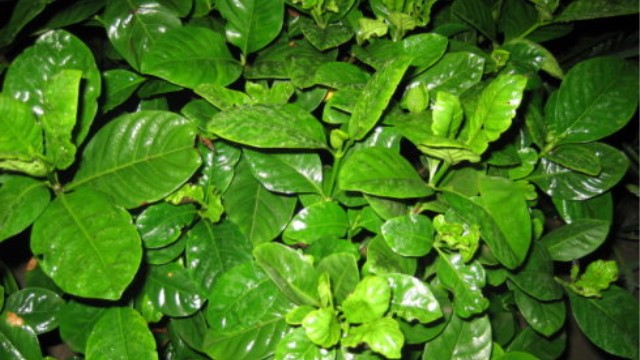
1. Fertilize Sensibly
1. Cause: The gardenia is a plant that loves fertilizer, especially during the two periods of growth and flowering, when its demand for nutrients is greater. If the nutrients can't keep up, the gardenia will not bloom.
2. Solution: Under normal conditions, fertilize twice a month, and make sure to fertilize once a week during the flowering and growing periods. The amount of fertilizer should not be too much, as too much will burn the roots.
2. Increase Light
1. Cause: For sun-loving plants, insufficient light will affect their health. The gardenia is this type of plant, and insufficient light will cause it to fail to bloom.
2. Solution: Make sure it gets 8 hours of natural light every day, but the gardenia cannot be exposed to strong light, so when the sun is strong at noon you need to provide appropriate shade; at other times, no special treatment is needed.
3. Acidify the Soil
1. Cause: The gardenia is an acid-loving plant, so acidic soil is more suitable for its growth, and alkaline soil does not match its growth characteristics.
2. Solution: Regularly test the soil's pH. If the soil has become alkaline, mix some leaf mold fertilizer into the soil, or pour in a few drops of vinegar, to make it into acidic soil.
4. Prune Appropriately
1. Cause: The gardenia's branches and leaves grow extremely fast. If it isn't pruned, the plant's nutrients become too scattered, which will cause it to fail to bloom.
2. Solution: Prune the gardenia appropriately, cutting off all the dead branches and dry leaves, so the nutrients are more concentrated, which helps the plant bloom.