What to do when spider plant leaf tips wither and turn black? Master four points to keep the leaves green and fresh
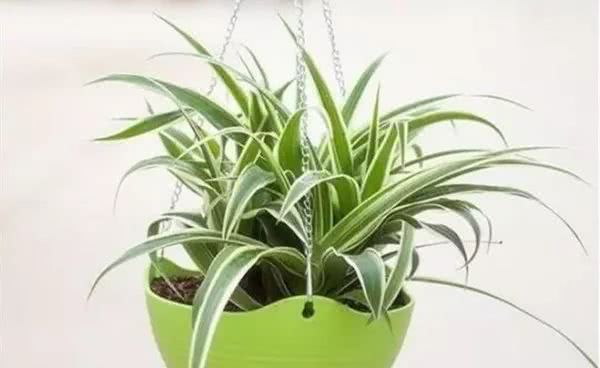
Spider plant is a highly popular indoor green plant, fresh and elegant, beautiful and graceful, especially when hung on a balcony for care, with its slender leaves draping down, forming a lovely scenic line.
However, after being cared for over a long time, spider plant will inevitably develop yellowing leaves and leaf tips that wither and turn black, as if the leaf tips had just been scorched by fierce flames.
In fact, the cause of this phenomenon is quite simple, and the solution is not difficult either. As long as you firmly grasp the following four points, you can ensure your spider plant stays evergreen all year round and never develops black leaf tips again.
1
Spider plant is not a plant that loves sunlight excessively. Especially in the hot summer, if the indoor temperature is too high, or the shading work is not done properly, it is very likely to cause scorching and yellowing of the spider plant, leading to withered and yellow leaf tips.
Therefore, in the usual care of spider plant, especially in summer, be sure to keep it in a cool environment; in spring and autumn, moderate diffused light exposure is fine.
2
Spider plant grows relatively fast. If you do not repot it for a long time during care, it is easy for the root system to remain cramped in a narrow space, the roots grow poorly, and naturally the leaves also wither and decline.
Be sure to repot the spider plant at least once every two years, preferably in summer or autumn. During repotting, it is best to replace the soil as well. When cleaning the roots, cut off old roots and poorly growing roots to stimulate a new round of growth in the spider plant.
3
Because spider plant has relatively numerous and lush leaves, during care be sure to maintain the humidity level of its living environment. An overly dry environment can easily cause the spider plant to grow poorly and languish.
In daily care, not only should you control the frequency and amount of watering to keep the soil in the pot moist, but in hotter weather you should also frequently wipe its leaves with a damp cloth, or spray some clean water around it, to maintain a relatively high humidity level in the spider plant's growing environment.
4
In addition to the above three points, black leaf tips on spider plant may also be caused by root rot. After a plant's roots rot, the root system can no longer normally absorb nutrients from the soil, and the leaves naturally grow poorly.
If you cannot identify the cause of the black leaf tips on the spider plant, you can carefully take the spider plant out of the pot to see whether root rot is the reason. Then carefully clean away the rotted root parts and repot the spider plant in new soil to grow.
If you also like growing flowers, then follow us!