Rice enters a critical growth period in August, how should it be managed?
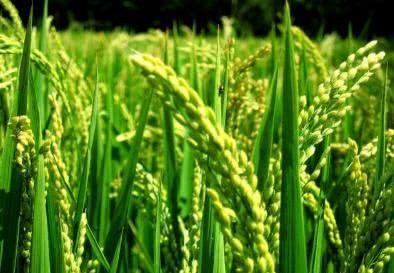
Let us first understand the growth stages of rice. The rice growth period is divided into three stages: 1. Vegetative growth stage (from germination to young panicle differentiation) 2. Vegetative and reproductive growth concurrent stage (from young panicle differentiation to flowering stage) 3. Reproductive growth stage (from flowering to full maturity). The above three growth stages are composed of 10 different growth periods, which are: germination stage, seedling stage, tillering stage, jointing stage; booting stage, heading stage, flowering stage; milk-ripe stage, dough stage, full-ripe stage.
In August, most rice is in the vegetative and reproductive growth concurrent stage. This is the critical period for yield formation. At this time, the physiological metabolism of rice shifts from being dominated by nitrogen metabolism to both carbon and nitrogen metabolism being active. It not only requires abundant nitrogen sources, but must also accumulate sufficient carbohydrates and ensure their transport to the panicle, so that the rice plant grows robustly with a thick and round base. Fertilizer and water management must be done scientifically, and disease, pest and weed prevention must be carried out well, to lay a good foundation for high rice yields.
Specifically, start from the following aspects:
Water management
Reasonable irrigation and field drying can both ensure the basic number of seedlings per mu and lay the groundwork for later lodging resistance. When the total number of basic tillers in the whole field reaches about 35w/mu, drainage and field drying should be carried out in time to control the occurrence of ineffective tillers. At the same time, at the booting stage, the soil surface must be kept moist, and at this time a "horse-racing water" irrigation can be applied. When the panicle is about to emerge, maintain a shallow water layer of 3-5cm. At the heading and flowering stage, adopt intermittent irrigation. After proper field drying, maintain a water layer of about 10cm.
Disease, pest and weed management
Throughout the entire growth period of rice, on the basis of chemical weeding, manual weeding is carried out. In the vegetative and reproductive growth concurrent stage, the rice needs to absorb large amounts of water and nutrients from the soil. If weeds are too many and too dense, they will inevitably compete with rice for fertilizer and water, affecting yield. Quinclorac has a very good effect on barnyardgrass, and MCPA + bentazone has a special effect on wild arrowhead and Monochoria korsakowii. The main pests at this stage include the striped stem borer, rice leaf roller, rice planthopper, and armyworm. The main diseases include sheath blight and rice blast. Using emamectin benzoate (emamectin benzoate water-dispersible granules) + benzyl difenoconazole suspension concentrate can effectively prevent and treat diseases and pests.
In terms of fertilization, the nitrogen fertilizer allocation ratio between the vegetative growth stage and the reproductive growth stage is preferably 6:4, which can effectively reduce ineffective tillers and improve the panicle-setting rate and 1000-grain weight. Apply panicle fertilizer skillfully. Generally, early-maturing varieties may not need it. For medium and late-maturing varieties, apply 20-30 jin/mu of compound fertilizer as a topdressing to improve the seed-setting rate and promote large panicles.
This is Kexue Xingnong. You are welcome to add a follow, and let us grow knowledge together.
The original copyright of this article belongs to the Kexue Xingnong account. Infringement will be pursued.