It is the right time to plant cilantro now; rubbing the seeds before sowing helps them germinate better.
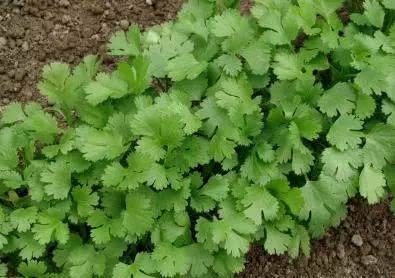
We call cilantro coriander here. I personally like cilantro very much, especially when drinking beef soup and mutton soup, you must add a handful of cilantro for the taste to be authentic. However, many people do not really like the taste of cilantro. Here I will talk with you about how to grow cilantro.
Cilantro's growing habits
The first thing a good grower should do is understand the crop's growing habits, so that later cultivation and management can be done well. Cilantro is grown in most areas of our country, and my family sows a patch of cilantro in the yard every year. Cilantro has fairly strong vitality and is not very strict about environmental requirements; generally, it can grow well when the temperature is around 15 degrees. Loose, fertile soil is enough.
Home growing
Growing cilantro at home is actually very simple. Even if there is no yard at home, growing it in a flowerpot works just as well. Cilantro is generally planted in spring or autumn each year, when the temperature is suitable.
The seeds are quite simple; they are sold at seed shops in the local market. The seeds you buy are round and ball-shaped, and you can pre-sprout them. Put the seeds in clean water and soak them for about a day. While soaking, you can rub and wash them, because cilantro seeds are two seeds growing together, and you can rub them apart, which is more helpful for cilantro germination.
Replace with a high-definition large image
After pre-sprouting, you can plant them. The planting process is not complicated either. Find a flowerpot of a suitable size, and ordinary garden soil will do. Before planting, keep the soil moist. Sprinkle the seeds on top of the soil, no need to bury them too deep; just cover with a thin layer of soil. If the temperature is relatively low, you can cover the flowerpot with a layer of plastic film to help the seeds germinate. Generally, in about a week, the cilantro will begin to sprout one after another.
Cilantro is also very easy to manage day to day; water it often and let it get some sun. In about a month, the cilantro will be about ready to eat. When picking, only pick the leaves, so the cilantro can continue to grow. By late summer, the cilantro will be able to set seeds. Collect the seeds, and you can continue planting them the next year, so you will not need to buy seeds.
Field cilantro planting
First, the grower needs to choose a suitable cilantro variety. Generally, small-leaf cilantro is chosen more often; this kind of cilantro tastes a bit better and has stronger adaptability, though the yield is slightly lower. As with home growing, you need to rub the cilantro seeds apart first, which is more helpful for germination.
As for sowing time, generally it can be sown in all three seasons of spring, autumn and winter, and right now is also a good time to plant cilantro. The soil for field sowing needs to be fertile, with base fertilizer applied well; both hole sowing and row sowing are fine. For row sowing, the row spacing is generally about 13 cm, and the furrow depth is about 5 cm. After sowing, water thoroughly, but be careful not to let the soil become compacted. In about a week, cilantro seedlings will grow.
When the small cilantro has grown to about 3 cm, you can thin the seedlings, which is more helpful for cilantro growth. Later, pay attention to intertillage, weeding and loosening the soil. Usually, pay attention to topdressing the cilantro and to pest and disease control.
This is Science Xingnong; you are welcome to add a follow and learn together with us.
The original copyright of the article belongs to the Science Xingnong account, and infringement will be prosecuted.