Learn these two cutting methods and anything you stick will take root, sprouting big white roots like crazy, super easy
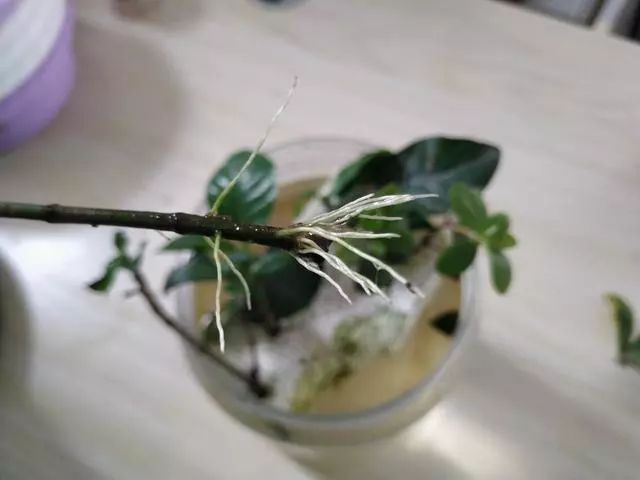
Right now is the hot and humid season, the peak growing season for jasmine and gardenia, and also a great time for cuttings, but some gardening friends easily fail when taking cuttings, maybe because they haven't got the method right. Today I'll introduce two cutting methods, both very practical and simple, and they root very easily. One is the vermiculite cutting method, and one is water propagation.
For this water propagation, let me introduce my cutting method. Prepare a large plastic bottle, put water in it, place a piece of foam board on the water, then insert the gardenia or jasmine cuttings into the foam board and put it into the water. Place it in a ventilated spot with scattered light, and in about 30 days or so it will root. When the temperature is high, it suits water propagation, and roots come very fast.
This is the gardenia I propagated successfully. It has already been transplanted successfully. After a week of acclimatizing, the new leaves will show obvious growth, and then it can gradually take in light.
The other one is the vermiculite cutting method, also known as the "hitting the wall 2.0" cutting method. I prepared a plastic bottle, cut it open in the middle, drilled a few holes in the bottom, and filled it with vermiculite.
Take the gardenia or jasmine cuttings. Trim them a bit and insert them. Place it on a base tray, put water in the base tray, and keep it at about 1 cm the whole time, then place it in a ventilated spot with scattered light, and in about 30 days or so, it will root.
These are jasmine cuttings propagated in vermiculite, and the roots are already very long. These two cutting methods are suitable for plants that are relatively difficult to propagate, woody or vine plants.
Of course there are many other cutting methods that also root quickly, such as propagating in river sand, propagating in perlite, or propagating in a mixed nutrient soil, etc. Many gardening friends also have their own unique cutting methods, so why not share them and compare notes.
If everyone feels these cutting methods still don't root easily, then before taking cuttings you can also soak them in a quick rooting solution, which can speed up rooting. After transplanting, you can also add a few drops of quick rooting solution when watering, which can quickly restore root growth.
When the roots have grown a bit longer, they can be transplanted. When transplanting, use loose and breathable soil. You can use large-particle river sand mixed with half leaf mold or peat soil.
Then mix in a bit of pine needle soil. You can also use peat soil, perlite, and vermiculite in a 4:1:1 ratio. This kind of soil mix suits most acid-loving potted flowers.