A few small tricks when repotting potted flowers: no pests, no yellow leaves, and vigorous growth
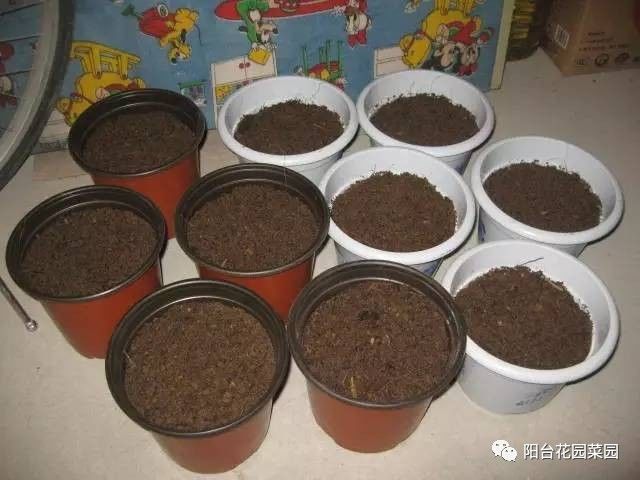
After repotting flowers, some flower lovers worry that it will be hard for the plants to recover, and those who have never repotted are even more afraid that the plant will die as soon as it is repotted. Besides constantly accumulating experience in the repotting process, we should also learn some small tips to help flowers and plants recover faster after repotting, and also avoid pests and diseases that are easily triggered.
1. Disinfecting the pot and soil before potting
Some beginners just wash the old flower pot clean before potting, but this actually has no real effect at all. Any flower pot that has been used to grow flowers should be sterilized and disinfected before it is used to grow new plants. If it has been used for a long time, it should be soaked in clean water for one day to remove the alkaline residues in the old pot.
For disinfection, you can boil it in boiling water, or soak it in a carbendazim solution. Soil disinfection is relatively simple: just sun-dry the soil for 3 days, or water it once with a carbendazim solution. Doing this not only helps the plant recover faster, but also achieves a sterilizing effect and prevents fungal infections that are easily triggered later.
2. How to prevent the drainage holes from getting clogged
When choosing soil, try to choose loose soil with good drainage. Fertility can be adjusted with organic fertilizer, but if the soil drains poorly, it will easily clog the drainage holes at the bottom of the pot, which can easily cause water to accumulate in the pot soil and lead to root rot.
You can spread some clay pebbles or broken tiles at the bottom of the pot. This can prevent the pot soil from clogging the drainage holes and help the plant grow better.
Of course, we should also properly mix cinder, river sand or perlite into the soil, as these media are good for drainage and aeration.
3. Adding appropriate organic fertilizer
In order to increase the fertility of the soil and promote the plant's recovery faster, organic fertilizer should be used. Remember that newly planted plants must not be given chemical fertilizers, that is, various compound fertilizers and the like. It is best to use compost soil or fully decomposed organic fertilizer.
1. Compost soil
Compost soil is relatively simple to make. The main thing is to collect more materials in daily life. The best composting materials are dry grass, fallen leaves and vegetable leaves. Tea dregs, medicinal herb dregs and coffee grounds from daily life can also be dumped in. Add some sun-dried and crushed eggshells, small dead twigs or fruit peels, and all of them can be used for composting.
When composting, the bottom of the container must have drainage holes. The composting materials can be mixed with some garden soil, add an appropriate amount of water, and stir all the materials evenly, keeping them slightly moist without water accumulation.
Because we will not put in any meat or dairy products, there is no need to worry too much about it smelling bad.
After that, we stir it once every one or two weeks, and add some clean water if it dries out. It can even ferment without being sealed. After half a year, you will get dark black compost soil.
2. Fully decomposed organic fertilizer
Fully decomposed organic fertilizer is used as a base fertilizer when repotting and is placed directly at the bottom of the pot. First put a layer of soil at the bottom of the pot, then a layer of fully decomposed organic fertilizer, then another layer of soil, and finally plant the plant. This is to prevent the plant's roots from directly touching the base fertilizer. The organic fertilizer will slowly release its fertility, so it belongs to a slow-release fertilizer.
Of course, what is introduced above are just some very ordinary little repotting tips, and old gardeners can simply ignore them.