Days accompanied by herbs must surely be fragrant too
Naodong Handmade
You have 40 friends following this official account!
//
Plant a herb
And you plant a mood
//
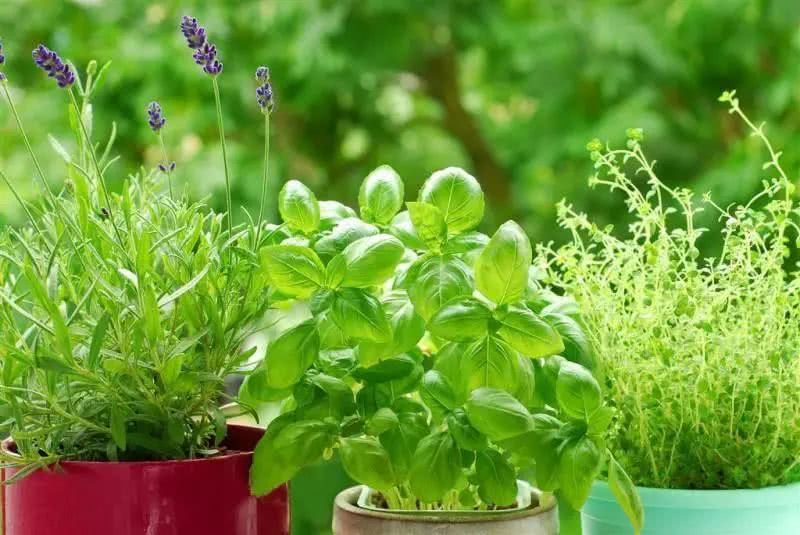
Herbs are a group of plants whose very names seem to bring a fragrance to mind. Why do people love them? They look ordinary, and they do not have bright flowers, even less noticeable than weeds, but their fragrance and edible value make them extremely popular plants. Days accompanied by herbs must surely be fragrant too.
thyme
Thyme
In Greek, thyme represents "courage," referring to the tiny teardrops of Queen Helen, which increased the warriors' courage to kill the enemy. Therefore, at that time, ladies would send a sprig of thyme to their beloved warrior lover or husband before he set off for battle, conveying encouragement and love, or they would embroider a thyme pattern on his battle robe, hoping he would return victorious.
Growth period: July-August
Uses: aids digestion; can be used to bake cookies
Growth habits: likes warmth, sunlight and a dry environment, and has low requirements for soil.
Sowing method: cuttings are suitable for planting in home courtyards.
NO.2Mint
Growth period: July-August
Uses: has medicinal functions; can be brewed as tea; can be made into essential oil
Growth habits: the most suitable temperature is 25°C-30°C. It likes sunlight, and sandy loam and alluvial soil are best
Sowing method: water scientifically. Mint needs more water in the early and middle stages, and moderate topdressing.
NO.3Rosemary
Growth period: spring and summer
Uses: promotes blood circulation and removes toxins; dual use as medicine and food
Growth habits: likes warmth and airy conditions, and needs to avoid cold spells in winter; it grows slowly and has weak regeneration ability
Sowing method: it secretes sticky resin, so wear gloves when breaking off pieces.
NO.4Dill
Growth period: autumn
Uses: used for edible seasoning; aids digestion
Growth habits: likes sunlight, and is sensitive to soil pH
Sowing key points: dill seedlings have weak emergence strength, so the soil covering should not be too thick; about 2 cm is appropriate.
NO.5Arugula
Growth period: summer
Uses: can be used as a vegetable; can be pressed for oil
Growth habits: can be hydroponically grown. Likes a cool and humid climate, and needs protection from exposure to the sun and washing away by heavy rain
Sowing method: it is best to choose fertile, loose soil with convenient drainage and irrigation for planting
NO.6Greek oregano
Growth period: 80-90 days
Uses: dual use as medicine and food
Growth habits: likes fertile, dry, alkaline soil with good drainage
Planting key points: moderate pruning can encourage more side shoots and make the plant grow more luxuriantly
NO.7Curly-leaf perilla
Growth period: summer
Uses: edible vegetable; warms the stomach and removes toxins
Growth habits: not cold-tolerant, likes sunny or semi-sunny environments, and fades in shade
Planting key points: propagated by sowing in spring, and easy to cultivate
NO.8Hyssop
Growth period: summer
Uses: added to dishes as a sauce, and used for brewing wine
Growth habits: the suitable growth temperature is 15 to 28°C
Planting key points: mainly propagated by sowing, and it is best to raise seedlings and transplant them
NO.9Fennel
Growth period: 65-85 days
Uses: infused in liquor; used in cooking
Growth habits: long-day, semi-cold-tolerant, drought-tolerant, likes coolness.
Planting key points: main sowing has two methods: winter sowing (baodan) and spring sowing.
NO.10Nasturtium
Growth period: June-October
Uses: brewed as tea; dual use as medicine and food
Growth habits: suitable growth temperature 18 to 24°C
Planting key points: needs sufficient light, and avoid scorching sun exposure in summer
NO.11Calendula
Growth period: April-September
Uses: brewed as tea, medicinal; such as calendula honey tea
Growth habits: suitable growth temperature 7 to 20°C, likes mild, cool climates, fears heat, and is cold-tolerant.
Planting key points: soil for pot sowing needs disinfection, cover with 3 mm of soil after sowing, and germination takes about 7-10 days.
NO.12Roman chamomile
Growth period: April-May
Uses: dual use as medicine and food; beauty care
Growth habits: likes cool environments, suitable for autumn sowing
Planting key points: needs sufficient sunlight and good ventilation
NO.13Saffron
Growth period: autumn
Uses: seasoning; sedative, expectorant, antispasmodic
Growth habits: likes a full-sun environment
Planting key points: corms dormancy in summer, root in autumn, and sprout leaves
NO.14Lemon verbena
Growth period: summer and autumn
Uses: used in cooking and brewed as tea
Growth habits: likes warm, humid tropical and subtropical climates
Planting key points: needs to be placed in a shady, ventilated place
Basil
Basil
The name basil may come from the Greek word βασιλευ? (Basileus), meaning king or royalty. It is said that the excellent fragrance of basil could only befit the king's chambers, so basil is also called king's herb.
Growth period: spring and summer
Uses: dual use as medicine and food; can also be made into essential oil
Growth habits: likes warm, humid climates, is not cold-tolerant, is drought-tolerant, and is not waterlogging-tolerant
Planting key points: seedlings fear drought, so pay attention to timely watering
All the wonderful things are at Huayipai Youzan Mall
Flowers and love | Huayipai