A dangerous wild delicacy eaten raw is actually a great treat, and now it has become a rare food priced at 200 yuan per jin.
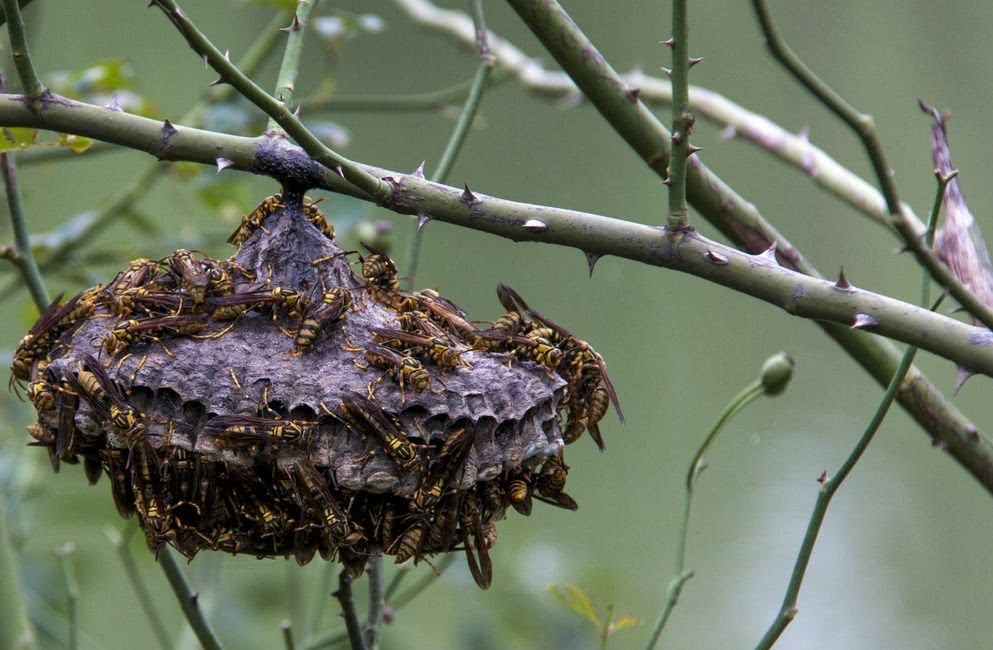
When I was little in the countryside, I played there from childhood to adulthood, and I really made my parents worry a lot. Besides, the countryside was still quite natural back then, and for children it was simply a playground. Climbing trees, taking bird eggs, stealing other people's fruit, playing house, these were all things I did. And there was one especially bold thing too: poking hornet nests. I was young then and did not know that poking a hornet nest was dangerous. Luckily, there were not many hornets inside at the time, otherwise I could have been disfigured. After poking that hornet nest, I even brought the nest home. As soon as my grandmother saw it, she said there were bee pupae inside and that she could make something tasty for me. After my grandmother cooked it, she gave it to me to eat, and it really was a delicacy.
When people hear about bee pupae, they may not be familiar with them, but if you mention silkworm pupae, many people probably will not find them strange. Bee pupae, like silkworm pupae, are the larvae and pupae of various wild bees, including honeybees and hornets. Needless to say, they are naturally another high-protein food. As a purely natural food, bee pupae are very rich in nutritional value. However, because the method of collecting bee pupae by hand is very dangerous, bee pupae are not common. To get wild bee pupae, it is usually necessary to do so in late summer and early autumn, when the queen bee is at the peak of reproduction. If you are lucky, you can harvest some.
When it comes to ways of eating bee pupae, it really makes your mouth water. As for bee pupae, eating them raw is a great delicacy. I remember going to poke a honeycomb in the countryside before. After knocking it down, we drove away the wild bees and then pulled the bee pupae out directly to eat. The taste was truly superb. Eating a little is fine, but I still do not recommend eating many raw, because poisoning can easily occur. Cooked bee pupae can be eaten in many ways: pan-fried, stir-fried, or steamed, and they can also be cooked together with eggs and so on. In a famous insect banquet in Yunnan, one dish is bee pupae. Like silkworm pupae, they are deep-fried, and the taste is crunchy. People who have been lucky enough to eat them will certainly never forget that flavor.
During their development, bee pupae feed on royal jelly, honey, and pollen, so when eating wild bee pupae, you can actually feel at ease. They are very green and environmentally friendly, and they also contain a high protein content and trace elements. The first time you eat them, try to eat only a little, because the protein contained in bee pupae may cause allergic reactions in the human body, and some people with allergic constitutions cannot eat them.
I only ate bee pupae a few times in childhood, and after growing up I never ate them again. It is said that the price of bee pupae has now reached 200 yuan per jin, and even so, there are not many places where you can find bee pupae for sale. They have also become a rare delicacy.
Moreover, the honeycomb is also a medicinal material. In addition to bee pupae and honey, the honeycomb also contains substances such as propolis and beeswax, and the honeycomb itself can also be used as medicine. It really is a treasure.