Analysis of Common Causes of Yellowing, Wilting and Leaf Drop in the Peace Lily Tree
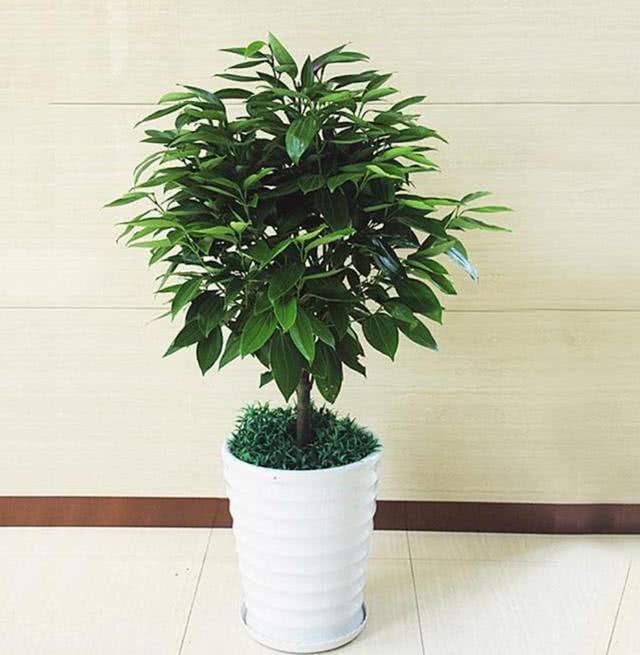
The peace lily tree symbolizes peace and good fortune, and with its dignified shape and glossy green leaves, it is deeply loved by many plant enthusiasts. When grown at home, the most common problems are yellowing leaves, wilting and leaf drop, which generally come down to the following few causes.
1. Overwatering, waterlogging in the pot, or prolonged lack of water. The peace lily tree likes a moist growing environment, but the pot must not become waterlogged. Long-term waterlogging causes the roots to suffocate and prevents them from supplying nutrients to the tree, resulting in yellowing, wilting leaves and heavy leaf drop. A prolonged lack of water can also cause the leaves to wilt and droop. When watering the peace lily tree, it is best to water only when the soil is dry and water thoroughly when you do. If the potting soil is compacted and drains poorly, you can loosen the soil in the pot without damaging the roots to improve its drainage and aeration. During the low-temperature period in winter, when the climate is dry, reduce watering, mist the leaves more often, and stop fertilizing.
2. Insufficient air humidity. The peace lily tree's original living environment is also home to abundant Phalaenopsis orchids, and anyone who has grown Phalaenopsis knows that they have fairly high humidity requirements. Therefore, when growing the peace lily tree at home, you should also try to create a warm, hot and humid living environment for it. The most suitable growing temperature for the peace lily tree is 20-30°C, with air humidity of around 80%, so during the hot summer period you can mist the leaves with a spray bottle every day to cool them down; during the low-temperature period in winter, when the climate is dry, you should also mist the leaves regularly to add humidity for the tree and prevent yellowing and leaf drop.
3. Light that is too strong or too weak. The peace lily tree's original living environment is in the jungle, and it likes plenty of diffused light. In summer, when the light is too strong, the tree should be shaded to prevent wilting and drooping of the leaves caused by intense sun exposure. Long-term shade will also prevent the leaves from carrying out photosynthesis fully, causing them to turn yellow and look listless. If you are growing it in a courtyard, you can place it under a large tree that provides shade; sufficient angled light will meet its growth needs. When growing it indoors, it is recommended to move it from time to time to a ventilated spot with diffused light, appropriately increasing the area available for photosynthesis and preventing yellowing and leaf drop caused by long-term shade.
4. Chlorosis caused by iron deficiency. This one is fairly easy to identify: if the young leaves of your peace lily tree show yellow edges while the veins remain green, giving the whole leaf a typical net-like pattern, it means the plant is iron deficient. Severe iron deficiency can cause large-scale yellowing and leaf drop, until the plant dies. You can drench the roots with a 1:2000 ferrous sulfate solution once every 7 days, at intervals of 7 days, and after 3 consecutive applications there will be noticeable improvement. The peace lily tree likes slightly acidic soil, so in addition to recommending a slightly acidic soil mixed from leaf mold or pine needle soil when potting, long-term watering with tap water can also cause the soil to become alkaline. It is recommended to drench the roots with a 1:2000 ferrous sulfate solution once a month to prevent iron-deficiency yellowing of the leaves.
5. Fertilizer burn or lack of fertilizer. The peace lily tree likes fertilizer, but applying too much or using raw fertilizer over the long term can easily burn the roots. When the roots are damaged, the leaves will turn yellow and wilt; a lack of fertilizer, in turn, leads to an insufficient nutrient supply to the leaves, causing varying degrees of wilting or drooping. It is generally recommended that from early spring to early autumn you apply decomposed soybean cake water or alum fertilizer water once a month, or you can use a compound fertilizer with a complete balance of nitrogen, phosphorus and potassium to meet its growth needs. In late autumn and early winter, as temperatures drop, apply phosphorus and potassium fertilizer twice, at intervals of about half a month, to strengthen the tree's resistance to disease and cold.