What to do with an overabundance of eggplant in summer? Pickle it and enjoy great flavor in winter
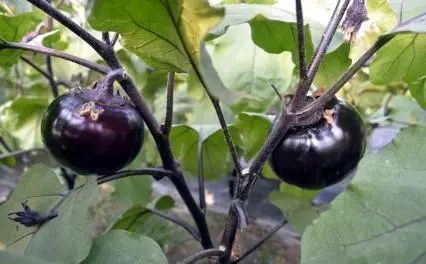
In summer and autumn, eggplants flood the market in large quantities, becoming a home-cooked dish on ordinary people's tables.
Because eggplants do not store well, if the temperature during storage drops below 10°C, the fruit surface of the eggplant will develop various disease spots, and the fruit stalk, sepals and fruit will rot. So how can you still enjoy nutritious and delicious eggplant in the cold winter? That brings us to the storage methods and processing methods for eggplant. Here is a brief introduction to the following methods:
1. Quick-freezing method.
Wash the eggplants and remove the stems, steam them in a pot until cooked, take them out and let them cool, then put them in freezer bags, place them in the freezer compartment of the refrigerator, and take them out to use when cooking in winter.
2. Sun-drying method.
Wash fresh eggplants and remove the stems, then cut them into round slices or long strips, blanch them briefly in water and take them out, string them together with cotton thread and hang them in the sun to dry. Turn them once every 2 hours, bring them back indoors at night, and dry them continuously for 3-4 days. Then put the dried eggplants into plastic bags, seal them, and refrigerate them; or put the dried eggplants into a breathable bag (such as a cloth bag) and hang it in a ventilated, dry place for storage. The dried eggplants can be used to stew meat or braise meat, or soaked until soft, steamed briefly, and then mixed with seasonings to eat, which is also very delicious.
3. Pickled eggplant.
Wash fresh long eggplants and remove the stems, put them in a steamer, steam over high heat until 80 percent cooked, then take them out and let them cool. Mix crushed garlic with a small amount of salt, monosodium glutamate (MSG) and cilantro to make a filling. Slit the eggplants open with a knife and stuff in the prepared filling. Then layer the eggplants and salt in a jar, arranging them neatly to pickle. You can sprinkle more salt on the top layer. Every two days, turn the top and bottom eggplants over so they absorb the flavor more evenly. After 3 weeks, they are ready. The finished product is pleasantly salty, with a garlicky aroma. If you like spicy food, you can also add chili to the filling.
This is Science for Agriculture. You are welcome to follow us and learn together.
The original copyright of this article belongs to the Science for Agriculture account, and infringement will be pursued.