When growing orchids in summer, this point cannot be overlooked; failing to do it well will affect blooming
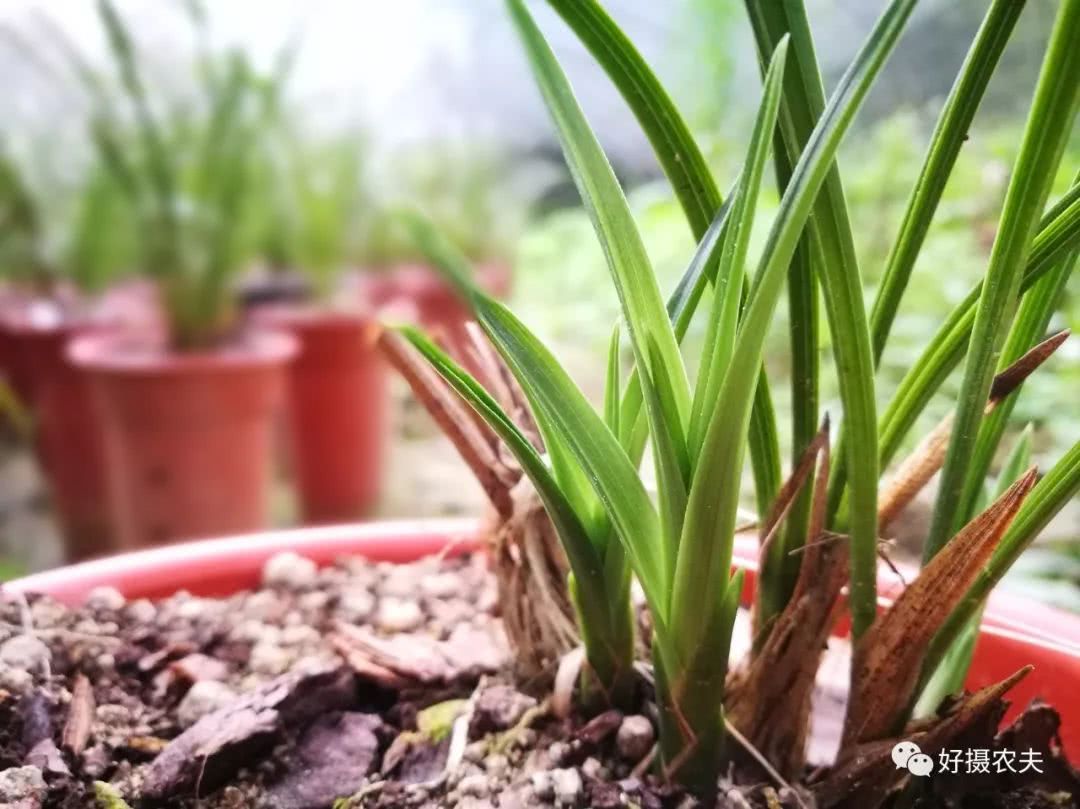
The scorching summer is about to pass, yet orchid growers who have endured a whole summer dare not relax. After the Start of Autumn, if an "autumn tiger" heatwave hits, orchids may still be damaged by the heat. Careful orchid growers will notice that after the Start of Autumn, the temperature difference between day and night gradually increases, which is very beneficial for plant growth. Especially in the mountainous areas where Haoshe Nongfu is located, the day-night temperature difference has now reached about 15 degrees.
In orchid care during this period, besides normal watering and fertilizing, there is one more thing that cannot be overlooked. Summer is too hot, so some orchid growers move their orchids indoors to grow in shade, and are very likely to neglect the orchids' need for sunlight. As the day-night temperature difference increases, orchids carry out photosynthesis during the day to produce nutrients, and when the temperature suddenly drops at night, these nutrients will not be consumed but stored in the orchid plant, and the flower bud differentiation in the second half of the year depends on these accumulated nutrients.
With sunlight, the orchid leaves are constantly working (photosynthesis). Photosynthesis not only produces chlorophyll and nutrients, but also serves to open up the connection between leaves and roots. It sounds a bit like the feeling of opening up the Ren and Du meridians in wuxia novels. Orchids lacking photosynthesis are prone to diseases, which is due to the blockage between upper and lower parts.
After the Start of Autumn, the sunlight is still very strong. What orchids love most is the morning sun, and generally basking until 10 o'clock is no problem. If they cannot get sun in the morning, then as a second choice, choosing dusk sunlight is also acceptable. According to the growth characteristics of plants, most plants prefer morning sunlight, because it can dry the dew in time.
What aftereffects will orchids lacking sunlight have? First, the leaves will look listless, like bean sprouts. Moreover, new shoots lacking chlorophyll will also look thin and weak. Most importantly, with much less photosynthesis, they cannot accumulate nutrients, which leads to flower bud differentiation after autumn.
Orchid growers, have your orchids been basking in the sun?