These 5 potted plants are toxic, so anyone who loves keeping potted plants should be careful
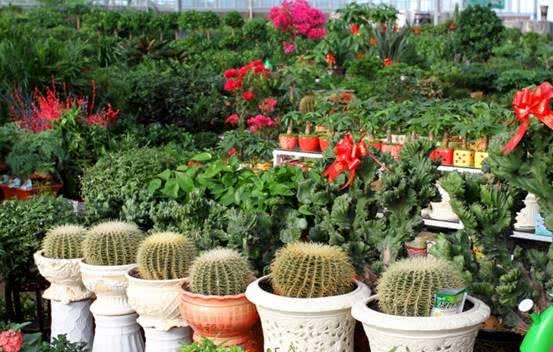
As quality of life improves, every household loves to grow some green plants, partly for beauty and partly to purify the air; to meet all kinds of needs, the varieties of green plants on the market are also dazzling, and their colorful hues and likable looks always make it hard to refuse them.
Adding a touch of nature to the home is certainly a good thing, but when choosing green plants you must also be careful; whether they look good is secondary, and if they harm your health, the loss outweighs the gain. The following 5 common household flowers are toxic and must absolutely not be kept. Do you have any of them at home?
Poinsettia
Poinsettia is often used as a landscaping plant, catching our eyes with its bright red color, so quite a few women also like to keep poinsettia as a potted plant at home; everyone knows women love beauty, but do not be fooled by this gorgeous appearance, because beautiful things may carry hidden dangers. The entire poinsettia plant is toxic; contact with its sap can cause skin itching, allergic swelling and pain, and accidental ingestion can lead to vomiting, and in severe cases even death.
Narcissus
Narcissus is the most common green plant in the home; every autumn and winter, households always add a few pots of narcissus; narcissus is easy to grow, and while enjoying its beauty you also save effort; but even the most common household flower is toxic; the root of narcissus is bulb-shaped, and its bulb secretes a colorless lycorine toxin. Although the toxicity is relatively mild, if it is placed on the dining table and someone accidentally drinks the water in its flowerpot, it will cause symptoms of vomiting and enteritis.
Alocasia
This green plant abundantly produced in the south not only has high ornamental value but also has super strong air-purifying ability, and its large green leaves really win the favor of plant lovers; but if there are elderly people and children at home, never plant it indoors. Its milky white sap is toxic, and touching it or accidentally ingesting it will cause discomfort in the mouth and skin, and in people with severe allergies it can lead to death. If you really like it, it is recommended to grow it in the courtyard or outdoors, where it is absolutely a fine sight.
Oleander
I remember there was an essay about oleander in elementary school textbooks, which mentioned that it is highly toxic and that anyone who accidentally eats it will die; oleander has a very strong ability to absorb dust and purify the air, so it is usually seen on both sides of roads, but growing it at home is really not recommended; the entire oleander plant is toxic, and accidental ingestion will cause symptoms such as dizziness and vomiting, and in severe cases it will cause a drop in heart rate and lead to death.
Dragon bone flower
The dragon bone flower, which looks extremely similar to a cactus, is also very popular among green plant lovers, so there is no doubt about its ornamental value.
In this appearance-focused society, it naturally becomes the top choice of household green plant for many people. However, the stems and leaves of the dragon bone flower contain a milky white sap, and if it comes into contact with the skin it will cause allergic symptoms of redness, swelling and itching, so even if it looks good, it is not suitable for indoor growing.
Now you know about these toxic common household flowers. If you still have them at home now, hurry and place them outdoors or dispose of them. Do not plant a time bomb for yourself just for the sake of a momentary visual pleasure!
Smart Home Control focuses on the home field, mainly sharing knowledge related to home decoration, life tips and cute pets, and everyone is welcome to keep reading Smart Home Control.