To control soft rot and stem rot in orchids, you need to know the methods and avoid being at a loss.
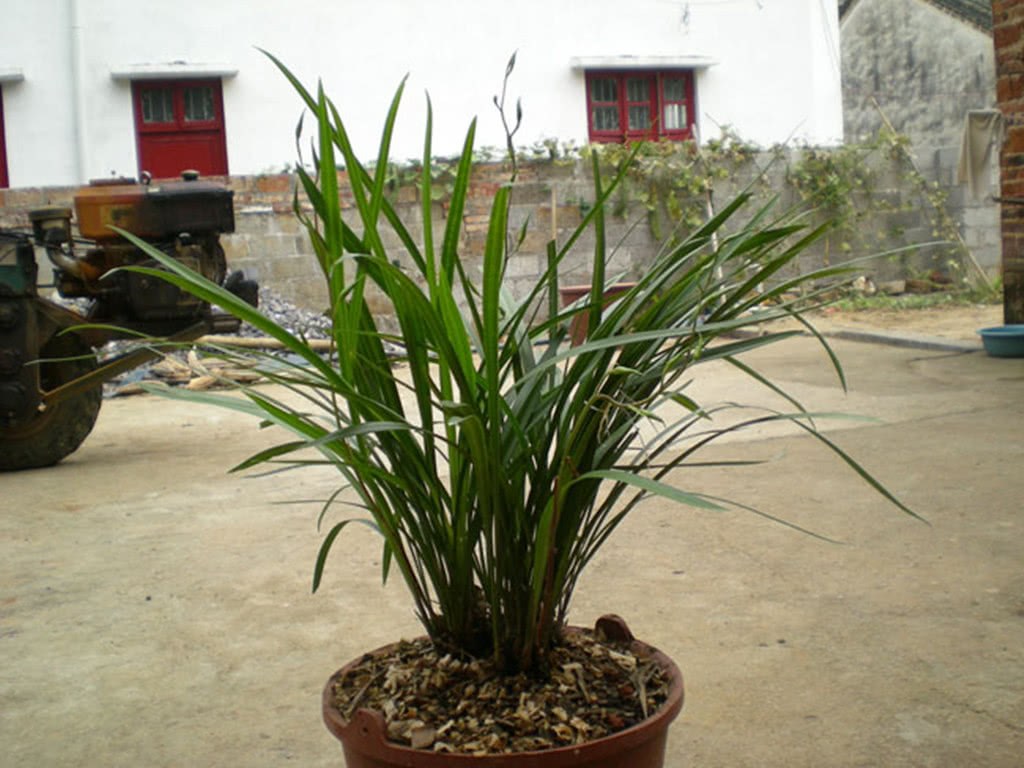
You have to learn these few tricks for growing orchids, otherwise if your orchids get soft rot and stem rot, you will just stare helplessly.
In a person's life, one does not seek great wealth and high status, but only hopes that one's family stays safe and sound, and that matters more than anything. However, how can a person's life always go so smoothly? There are inevitably some small bumps and setbacks. Likewise, growing orchids is the same; small bumps and setbacks are unavoidable.
It is just that in the process of growing orchids, you need to earnestly accumulate some experience so that your favorite orchids can grow healthily. But some friends always run into this or that problem when caring for orchids, which gives them a headache. Especially when orchids show this phenomenon, friends who like growing orchids should pay special attention, and this is what we often call the two rots, namely soft rot and stem rot.
When this happens, you must prevent it in time. So, when this problem appears, you must prevent it in time. In the usual process of caring for orchids, first, pay attention to identifying orchid diseases. Especially in the hot and humid summer, if you find that the base of the orchid turns yellow and black, and the yellowing goes from bottom to top, it is commonly caused by the two rots. At this time, you must prepare for prevention and control.
When an orchid gets soft rot, you should use antibacterial agents, such as copper hydroxide, copper and other copper-containing preparations for prevention. For stem rot, you should choose antifungal agents for prevention and control, such as carbendazim, fungicide, potassium permanganate and other agents for prevention. At the same time, it is worth noting that when using chemicals for prevention and control, dilute them with water as lightly as possible, and do not harm the orchid because of prevention.
Likewise, to prevent the two rots in orchids, usual care habits are also very important. Especially in summer, place the orchid in a spot with good ventilation, which will increase beneficial bacteria. If the orchid is placed in a poorly ventilated spot, it will cause a large number of anaerobic bacteria to breed, making a large number of fungal spores multiply and causing the orchid to get sick.
Next is watering the orchid. Here, it is recommended that beginners caring for orchids water as little as possible, and first let the orchid survive before anything else. It is recommended to manage it on the dry side, and the orchid potting medium should also be breathable and drain well. This can effectively reduce bacterial reproduction and also easily avoid root rot in orchids caused by water accumulation. It should be noted that you can only water after the top 2 cm of the potting medium has dried, and watering needs to be done at five or six in the afternoon. Do not spray the leaves!
Thank you for taking your valuable time out of your busy schedule to patiently read this. Reading takes you to a higher level. In addition, if you have any thoughts or views, you can post them in the comment section below. Everyone is welcome to save or share! Click the word "Follow" and you will be able to read more articles about growing orchids.