Orchid care tutorial is here, no more worries about overwintering
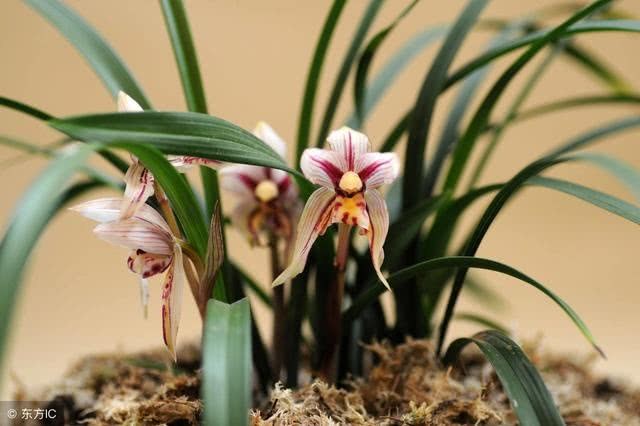
July: Summer. To strengthen ventilation and shading, add organic fertilizer, water only at night, place water basins between the orchid pots, spray water to cool the ground, or install electric fans, air conditioners, water curtains and other equipment. August: Autumn begins. You can do a little flower bud differentiation, add organic fertilizer, insecticides, and water aseptically. This month is the flowering season for Cymbidium ensifolium orchids, and they should receive nutrients after flowering.
September: At the beginning of this month, the summer heat reaches its peak. At noon, more water should be sprayed to strengthen ventilation and cooling. Fertilize in the morning and evening, 1-2 times a month, and disinfect at normal dosage. After mid-year, orchids and cymbidiums can be divided according to the need to protect flower buds.
October: Adjust the light. Outdoor temperatures are basically satisfactory, and there is no need to take special measures to regulate temperature. On the basis of sufficient morning sunlight, strengthen shading and ventilation, and appropriately increase watering frequency. In addition to flowering plants, apply fertilizer 2-3 times, and carry out disinfection and insecticide treatment 2-3 times, and complete repotting by the end of this month. Spray orchid leaves 1-2 times to clean them. This month is a good month for removing leaf dust, but it is best not to divide plants with flower buds.
November: Morning frost arrives. In the morning the pots are dry, and the pots are also dry. As the temperature drops, growers should also keep things dry and maintain 60-70% humidity. Because the plants enter dormancy, do not fertilize. For overwintering preparation, use insecticides and fungicides, spray water in the morning, and carry out insecticide and fungicide treatment 2-3 times. December: Orchids enter their winter dormancy period. Avoid fertilizing, keep the temperature at around 5°C, give sufficient light in the morning, and appropriately block direct light at noon. When the soil is dry, water in the morning when it is sunny, and do not splash water on the flower buds. Maintain humidity at 60, do not fertilize, keep appropriately warm, and do not open windows casually.