After the Start of Autumn, Clean Up Dead Leaves on Succulents to Avoid Root Rot and Help Leaves Regain Their Plumpness
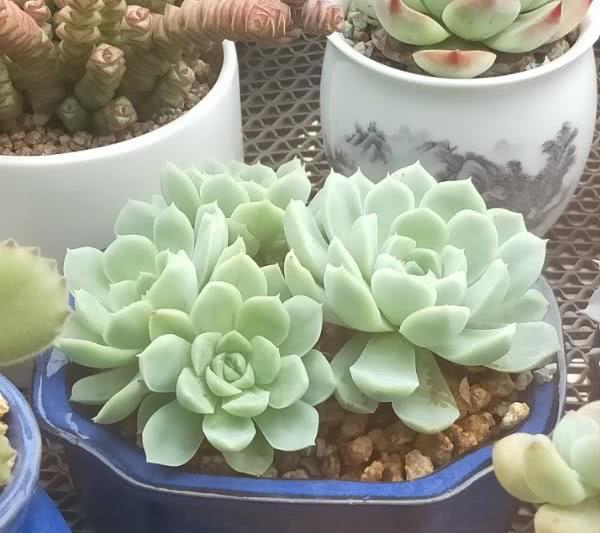
When succulents have just been potted, it is generally normal for their leaves to wilt and dry up. This is because a freshly potted succulent needs a period of acclimatisation to its pot, during which it consumes its old leaves, but new leaves will then grow and the succulent will enter normal growth. Note that when you buy a succulent from a flower market and bring it home, it is best to change its pot and soil, especially if it comes in black leaf mould or yellow clay. When changing the soil, you can also check along the way whether it has mealybugs or other diseases or pests. At the same time, you can inspect the condition of the root system. Of course, if you are sure the soil is healthy, that soil can also be reused.
During the plant's normal growth, if dead leaves are not cleaned up in time, especially in the stuffy, humid summer, the dead leaves that pile up after watering are very likely to create a stuffy, humid environment and may even become a breeding ground for mealybugs, ultimately causing the succulent to die of black rot. So the dead leaves produced by normal metabolism must be cleaned up in time. Sometimes the outer leaves also turn to water; in that case you can pluck off the watery leaves, then place the succulent in a cool, ventilated spot to dry, and be sure to keep the potting soil from staying wet.
Environmental factors are one of the main and most important causes of succulents dropping leaves. Because growers live in different places, the environments and weather conditions in which they keep their plants all differ, and many succulents do not adapt to certain growing environments. Among the resulting situations is rapid withering and dropping, and in that case you can simply clean the leaves away; if the plant is put back into a suitable environment, it can still survive normally. Another kind of leaf withering is caused by prolonged lack of water: the succulent cannot keep up with its water supply, causing the leaves to dry up. In this case, you should consider watering the succulent, and remember to do so gradually. After about a week, once the leaves have fully regained their plumpness, you can slowly return to a normal care routine.
So how should you clean up the dead leaves of succulents correctly? Hold the succulent steady with your hand, then start cleaning the leftover leaves around the pot. When cleaning, your movements must be gentle and delicate, and you must not use too much force. Use tweezers to take them out one by one, and when using the tweezers you must not injure the roots, otherwise the plant will not be able to grow normally. The tweezers should be taken away promptly and not left inside. Deal with any fallen leaves immediately, otherwise once they stick to the plant they become hard to remove. Even if they have already stuck to the plant, do not pull at them with your hands; that way you may not only fail to remove them but also tear other leaves. Be as careful and meticulous as possible, and if it really cannot be done, wait a few days and look again.
Summer in particular easily creates a closed, stuffy, hot environment, so you must clean them up. Those dry leaves that are not easy to remove should be left alone; forcing them off will injure the succulent itself. As for transparent, watery leaves, this is mostly because the succulent was just bought and brought home and has not been planted for long, so the sudden change in growing environment has caused discomfort. There is no need to worry too much about this, nor to do anything about it; as it grows later, the transparent leaves will also slowly dry up or turn to water, and you can simply clean them away.
In summer, be careful of high temperatures and prolonged exposure to the sun. The tissue cells of succulents are thick and fleshy and release heat slowly, making sunburn of the leaves very easy. In other seasons, full sunlight helps the plant grow. Ventilation is very important when growing succulents, so increase ventilation on stuffy summer nights. Use soil that is airy and drains well and does not easily clump. Water using the "dry then wet" method, which both satisfies the water these plants need to grow and ensures the oxygen the roots need for respiration, favouring robust plant growth.
This is a gathering place for succulent lovers, sharing succulent care tips; you are welcome to follow and join the conversation.