How do you get rid of moss in a fish tank? 10 great cleaners to help you solve the problem
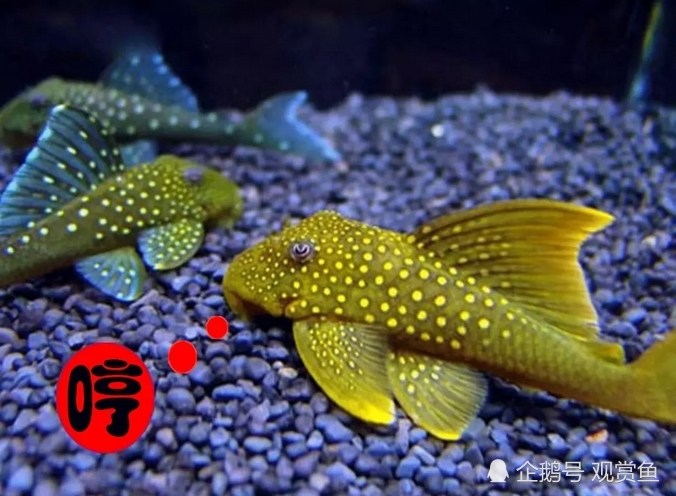
As the saying goes, "keeping fish is keeping water, and aquascaping is keeping water." Whether it is a tank with a beautiful algae aquascape or a tank of lively and lovely tropical fish, both need a tank with an ecological water body and habitat environment. And in this specific water body habitat, there appear some creatures of unusual forms; they are called the "cleaners" of the aquarium. They are tasked with cleaning the fish tank, sucking up debris, and removing algae, and are often kept in fish tanks as part of the stocking mix. These "cleaners" each have their own skills and temperaments, so many fish keepers have voiced their own opinions in debates over which "cleaner" is the best. The editor thinks everyone can buy whichever is best according to their own needs.
1. Pleco
The pleco (sucker mouth catfish) is native to Brazil and Venezuela and is the most common aquarium cleaner. It is also called the sucker fish, garbage fish, or banjo catfish. It can survive almost anywhere there is water. They often attach to aquarium walls or aquatic plants and lick up moss. Their prices are generally quite cheap; depending on the location, you can buy one for a few yuan to a little over ten yuan. The pleco's ability to clear algae is really great, and its appetite is huge, but its appearance is a bit ugly. When the fish tank is too clean, the pleco will devour all kinds of omnivorous food it can eat, so it is prone to enteritis, which is also the main reason plecos easily die.
2. Chinese algae eater
The Chinese algae eater, also known as the horsehead loach, relies on its sucker-like mouth facing diagonally downward to attach to aquatic plants, rocks, and other objects and move slowly, while grazing on moss or leftover food to clear waste from the aquarium. The most suitable water temperature is 23-28 degrees. The Chinese algae eater is omnivorous, easy to keep, and suited to clean water quality. Planted-tank hobbyists should note that for newly planted aquatic plants, or when the substrate is not thick enough (less than 5cm), it is best not to choose the Chinese algae eater, because it will fight with its own kind over territory and will uproot aquatic plants. Chinese algae eaters are very afraid of low oxygen; when oxygen is lacking, they do not float up but suffocate underwater. Since adults have a rough temperament, they sometimes eat small fish or attack large fish, so attention is needed.
3. Siamese algae eater
The Siamese algae eater is native to Southeast Asia, is grayish-brown, and has a slender body. The suitable water temperature is 24-26°C. The Siamese algae eater is not a picky eater; ordinary fish food, algae feed, and cucumber slices are all acceptable to them. Do not overfeed, as it may make the Siamese algae eater lazy. They like to eat flake fish food and do not like to eat algae; if the aquarium is heavily infested with black brush algae, feeding should be reduced as much as possible to encourage the Siamese algae eater to eat the black brush algae. It is said that the Siamese algae eater will even eat planarians, which is an ideal added value for aquariums suffering from planarian infestation.
4. Otocinclus
The otocinclus is native to southeastern Brazil in South America. It is small in size and likes to eat moss and algae. It can also eat the most troublesome snail eggs in the aquarium completely clean, absolutely making it the best cleaner in the aquarium. But when algae are lacking in the aquarium, it is extremely prone to death, and some individuals will actively eat food crumbs. The suitable temperature is 22-30°C, and it prefers weakly acidic soft water. It is best kept in an aquarium with densely planted aquatic plants and sunlight exposure. This fish is gentle in temperament, does not eat fish or shrimp, and can be kept with most gentle small fish.
5. Black-shell shrimp
Black-shell shrimp are very gentle shrimp that will not attack any fish in the fish tank. They do not need special feeding, and their temperature requirements are not high (the most suitable living temperature is 10-30°C, but high temperatures should be avoided as much as possible). They also have a very large effect on suppressing algae outbreaks in the fish tank, so black-shell shrimp can be said to be excellent fish tank cleaners. However, because black-shell shrimp are excessively gentle, they also lack the ability to defend themselves. Shrimp during molting and juvenile shrimp are very easily injured or eaten by fish. Therefore, when keeping them together with fish in a tank, plant as many aquatic plants as possible or place facilities such as shrimp houses for the black-shell shrimp to hide. Also note that black-shell shrimp should not be kept with overly ferocious fish such as bettas, spiny loaches, and gobies; in that situation, no matter how many hiding places there are, the black-shell shrimp will be eaten completely.
6. Corydoras
Corydoras will not easily suffer internal parasites or other diseases from eating unclean food. In the eyes of most hobbyists, corydoras kept in captivity are usually a supporting role in a planted algae tank; they are not kept purely for viewing, but mainly to coax them into eating algae and leftover bait, treating them as the "cleaners" that clean up debris at the bottom. Gentle corydoras can be kept very well with many fish species and can get along well with tetras, discus, angelfish, short-bodied cichlids, and guppies. Corydoras have strong health, allowing them to survive in environments with completely no water flow and low dissolved oxygen, because they can perform intestinal respiration. But this does not mean that corydoras can be kept in an environment without aeration or filtration; in fact, corydoras prefer a clean living environment with water flow and high dissolved oxygen.
7. Black molly
The black molly is omnivorous and can scrape algae and aquatic plants off tank walls, so it has the reputation of being an aquarium "cleaner." It is gentle in temperament and easy to keep in mixed tanks. Because black mollies like weakly alkaline hard water, they are not suitable for keeping with tropical fish of the Cyprinidae family. Black mollies are not strict about water quality, like water containing trace amounts of salt, and the suitable water temperature is 20°C-24°C. If the temperature is too low for a long time, they are prone to disease. When the water temperature is below 18°C, they are prone to saprolegniasis and may die.
8. Amano shrimp
The Amano shrimp is native to Japan, commonly known as the pearl shrimp, and is an entry-level shrimp species. It is very easy to keep, relatively common in the market, and low in price. The most suitable water temperature is between 22~26°C. Generally speaking, in addition to foraging for algae, Amano shrimp also eat plankton, feed fragments, and even aquatic plants. Amano shrimp have a fairly strong appetite and eat continuously throughout the day. When food is insufficient, they are prone to disease and death caused by malnutrition. At this time, Amano shrimp may turn to eating the tender leaves or rotting leaves of aquatic plants. Therefore, while hoping they will clear algae, some feed should also be provided to maintain their normal living condition.
9. Kissing gourami
The kissing gourami is also called the kissing fish, kiss fish, peach blossom fish, kiss-mouth fish, fragrant kiss fish, kissing fighting fish, and so on. The suitable water temperature is 27°C. Kissing gouramis often use their mouths to continuously nibble algae and moss on aquatic plants and aquarium walls, which can keep aquatic plants fresh and green and keep tank walls clean, playing a big role in cleaning the aquarium. Although they like pecking at algae, algae are not their staple food. Kissing gouramis have a large food intake and can accept any bait; nibbling algae is merely their natural instinct and a way to supplement the large amount of energy they consume due to their active nature. As they grow and develop, their waste output also increases greatly, almost more than the dirt they "clean up"!
10. Apple snail
The apple snail is also called the golden treasure snail or large bottle snail. It has a certain algae-removal function and likes to eat moss, dead fish, dead shrimp, and even grains of rice. The activity of apple snails gradually becomes more lively as the temperature rises. In winter, apple snails are often motionless, while in suitable seasons, apple snails can not only cling to the tank bottom and tank walls to forage, but can also fill their shells with air and float in the water.
If your fish tank is being troubled by moss and green algae, you might as well take these little cuties home and let them do their modest part for you. They can be viewed and can clean, killing two birds with one stone!
If you have anything unclear about the content of the above article, you can leave a message at the end of the article to consult me~