Caring for flowers after the Start of Autumn: these 2 kinds of fertilizer must not be applied, otherwise root rot and yellow leaves are likely
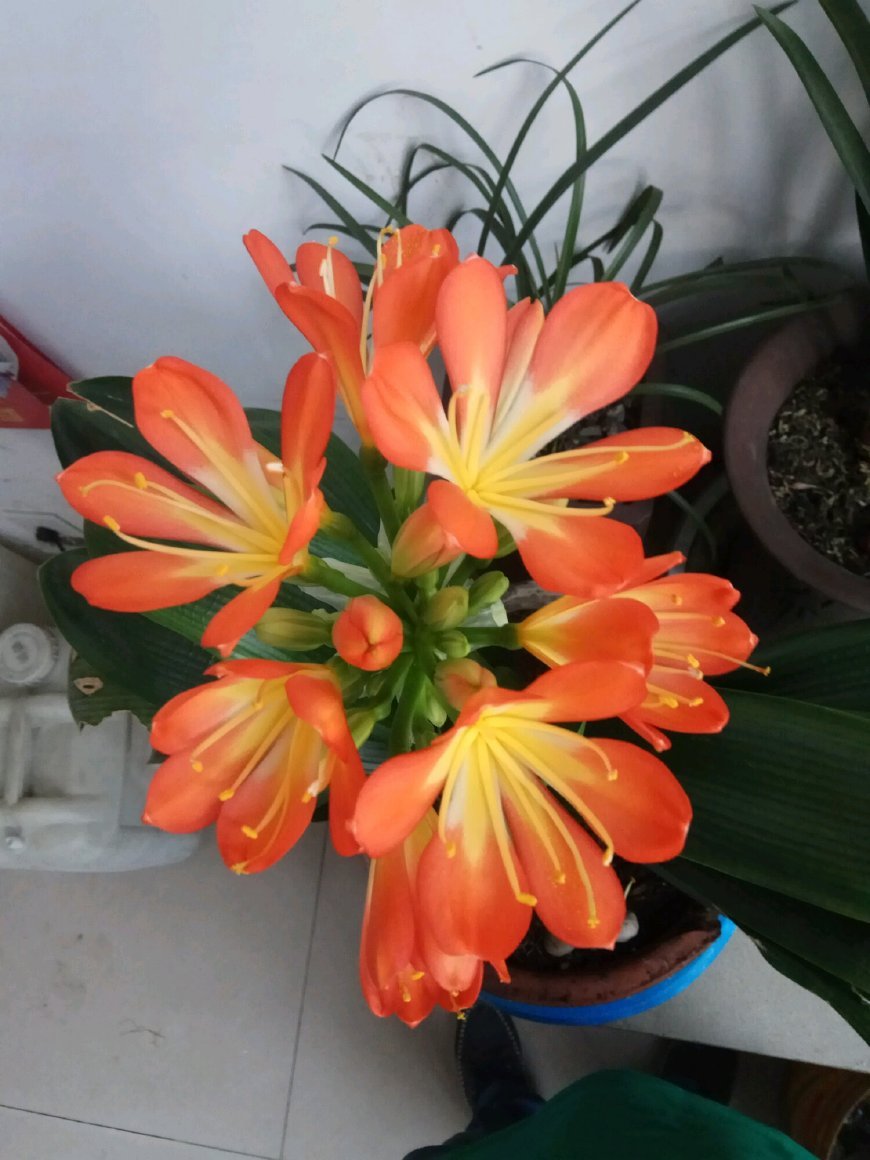
Growing flowers has already become a part of daily life; it not only brings some bright colors to the home, but also adds vitality and energy. The key point is that it can also bring joy to flower lovers and lift their mood. Growing a few flowers and plants is already very common; basically every household grows them. But there is a lot of know-how in growing flowers. After all, it is a body of knowledge, and you need to learn more to grow flowers well.
After the Start of Autumn, what problems should you pay attention to when growing flowers? Although it is no longer summer, the weather is still hot. At this time, caring for flowers and plants requires even more attention. For example, the following two kinds of fertilizer must not be applied. After using these "2 kinds" of fertilizer, flowers will immediately suffer root rot, yellow leaves, or even die. Which two kinds are they?
1. Fertilizer placed too close to the roots must not be applied
When fertilizing potted flowers, you must apply it along the edge of the flower pot, or when repotting and changing the soil, mix it directly into the soil. If it is too close to the root system of the flowers, it is clearly not advisable. Because when the fertilizer takes effect, it releases heat and burns the plant's roots, causing rot. Flowers with rotten roots will naturally grow worse and worse, with yellow leaves, dead branches, and fallen flowers.
2. Fertilizer that is too concentrated must not be applied
When growing flowers, the rule for fertilizing is "light fertilizer, applied frequently." Many people think that after the Start of Autumn, flowers have entered their peak growing season, so should they apply more fertilizer? Especially nitrogen fertilizer, which can promote vigorous stems and leaves. Actually, this is not the case. Although the Start of Autumn has passed, even in other seasons, fertilizer must not be applied too concentrated. Concentrated fertilizer is the easiest way to cause yellow leaves and root rot in flowers.
Most flower lovers kill their flowers for one reason: watering. The second is fertilizing too frequently and too concentrated.
How can you tell that overly concentrated fertilizer has caused root rot?
Generally, when the leaves of flowers and plants start to turn yellow from the base, that is, when the leaves slowly turn yellow from the bottom upward, it indicates root rot. For flowers with rotten roots, measures should be taken immediately; otherwise, as the yellowing spreads, they will soon wither and die. The specific steps also require care. For example, first stop watering, then move them to a cool, ventilated place, and choose a morning or evening to take out the flowers, check the roots, and repot them.
When repotting, you must be careful. After all, the flower's root system has already rotted at this point, so preserve it as completely as possible. For the soil used in repotting, it is recommended to mix your own or buy some special soil for flowers, so the survival rate can be a bit higher. It is now the Start of Autumn, which is also a suitable time for repotting. Remember, the best time to repot each year is spring and autumn; once these two seasons have passed, repotting requires extra care.
That is all for the knowledge about fertilizing after the Start of Autumn. Thank you for reading!
Remember to like and share~