When keeping a Philodendron 'Golden Diamond' at home, pay attention to these points: new leaves grow fast and the stems and leaves no longer become loose and fall over
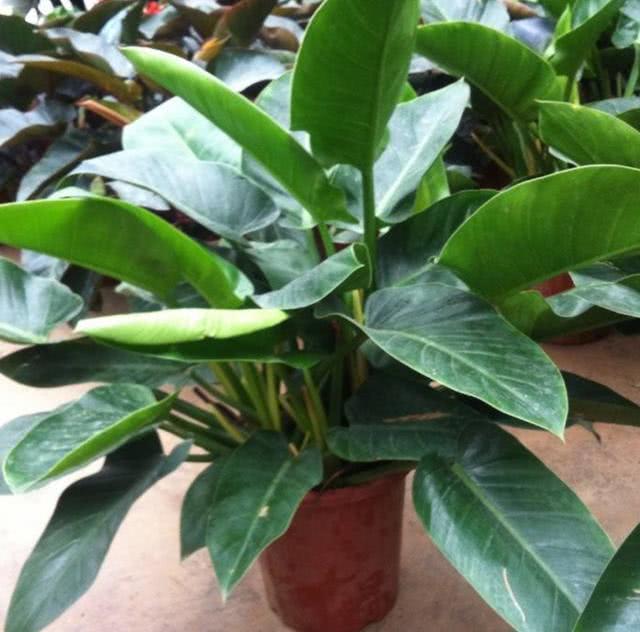
Philodendron 'Golden Diamond', also known as Golden Diamond philodendron. An Araceae plant, in the same family as pothos, Monstera deliciosa and Alocasia macrorrhizos. Its original living environment was beneath large trees in tropical rainforests. It likes warmth and humidity, and likes semi-shade. It absorbs various toxic gases as nutrients and has the function of purifying the air. Philodendron 'Golden Diamond' has broad, thick leaves and emerald-green foliage. In recent years it has been brought into homes by many plant lovers, pleasing the eye while also improving the indoor air environment.
Philodendron 'Golden Diamond' is an indoor foliage plant and likes ample scattered light. When the weather is cool and the sunlight is not very strong, you can let it get some sun appropriately, but in summer avoid direct sunlight, otherwise it can easily cause the leaves to scorch. Long-term shade will instead cause its leaves to turn yellow and its stem nodes to grow leggy. The most suitable place for it is a balcony or windowsill with scattered light and good ventilation. Since it is a foliage plant, the growth condition of the leaves directly determines the plant's ornamental effect. Some plant lovers say that their Philodendron 'Golden Diamond', as they cared for it, developed the phenomena of not growing new leaves and of loose, falling stems and leaves. Besides being related to insufficient light, this is also closely related to watering and reasonable fertilisation.
Philodendron 'Golden Diamond' is a shade-loving plant and especially likes water. In daily care, with good ventilation, just keep the potting soil slightly moist; do not water excessively and continuously. If the soil in the pot cannot dry out for a long time, it is very easy for the roots to be unable to breathe normally. Once the roots are damaged, they cannot normally supply nutrients to the stems and leaves, so it is also very difficult for new leaves to grow. Philodendron 'Golden Diamond' likes slightly acidic soil. To prevent the soil from compacting and becoming alkaline, you can regularly use a small tool to loosen the soil in the pot without damaging the roots, and give the plant a 1:2000 ferrous sulfate solution once a month to prevent iron-deficiency yellowing of the leaves. Frequently wiping the leaves with a clean towel and misting the plant helps increase humidity and boost the plant's photosynthesis.
Another reason for Philodendron 'Golden Diamond' not growing new leaves and the plant falling over is unreasonable fertilisation. The fertilisers plants need for growth are mainly nitrogen, phosphorus and potassium. Nitrogen fertiliser grows leaves, phosphorus fertiliser promotes flowering and more branching, and potassium fertiliser is like a person's bones: it can make the plant's stems grow stronger and enhance the plant's disease resistance and resistance to falling over. Applying only nitrogen fertiliser for a long time and lacking phosphorus and potassium supply will cause the plant to have few branches and, without strong stems for support, to become loose and fall over.
The vigorous growth period of Philodendron 'Golden Diamond' is from May to September. For fertilisation, it is recommended to combine nitrogen, phosphorus and potassium. You can directly apply a compound fertiliser with comprehensive nitrogen, phosphorus and potassium, or, on the premise of sufficient nitrogen, supplement phosphorus and potassium twice a month. For example, use potassium dihydrogen phosphate to spray the leaves or water the roots of the plant. Whichever fertiliser you use, apply thin fertiliser frequently to prevent too much fertiliser from burning the roots.
It is worth reminding that, because Philodendron 'Golden Diamond' belongs to the Araceae family, the stems and leaves of plants in this family are slightly toxic. Plant lovers with children at home should place the plant somewhere children cannot touch, to prevent accidents.