Potassium dihydrogen phosphate is the most commonly used flower fertilizer for growing flowers - are you using it correctly?
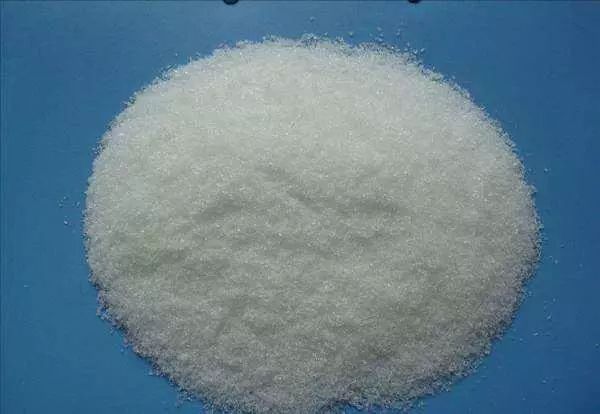
Many friends who grow flowers have heard of potassium dihydrogen phosphate, but some flower lovers are not quite sure how to use potassium dihydrogen phosphate when growing flowers, when to use it, and how much to use. Today let's briefly talk about it.
Potassium dihydrogen phosphate is a fertilizer mainly based on phosphorus fertilizer and potassium fertilizer. The role of phosphorus fertilizer is to promote plant flowering and bud formation, promote flower bud differentiation, increase the number of flowers, and make buds open earlier. The role of potassium fertilizer is to promote strong roots, make branches and stems thick and strong, and improve disease resistance.
It can be said that potassium dihydrogen phosphate is a fast-acting flowering fertilizer for plants during the bud stage that promotes flowering and increases the number of flowers.
The amount we usually use is about a 1:1000 ratio. This is also stated in the instructions. A 1:1000 ratio means one level small scoop of potassium dihydrogen phosphate mixed with 1000 g of water. If you cannot measure it accurately, you can use a mineral water bottle and mix half a scoop of potassium dihydrogen phosphate with water - this is the 1:1000 ratio.
As for the method of use, you can use spraying or root drenching.
This is a pot of jasmine that has just been pruned, about ten days after pruning. Now it is exactly in its flower bud differentiation stage. It has grown three or four pairs of leaves and is about to produce buds. At this time, using potassium dihydrogen phosphate on it, either by root drenching or spraying, is fine. Just water it thoroughly. Use it once every 10 to 15 days. This can increase flower bud differentiation and make the plant bloom earlier.
This pot of gardenia? This is its bud stage. We can also use potassium dihydrogen phosphate to make the buds grow large and open earlier.
The frequency we use is once every 10 to 15 days. We can also use the spraying method, also at a 1:1000 ratio, and can combine the methods. Stop fertilizing when the buds are about to open.
Do not fertilize during the flowering period. If a plant can bloom, it means it is not lacking nutrients. Fertilizing at this time can only increase the plant's growth rate and make it produce side shoots. The side shoots will compete with the buds for nutrients, causing the buds to drop.
If the flowering plant you are growing does not bloom for a long time, then during its flowering season you can apply extra potassium dihydrogen phosphate to promote flower bud differentiation and make it bloom.