Four taboos in the year-round care of clivia, be sure not to break them
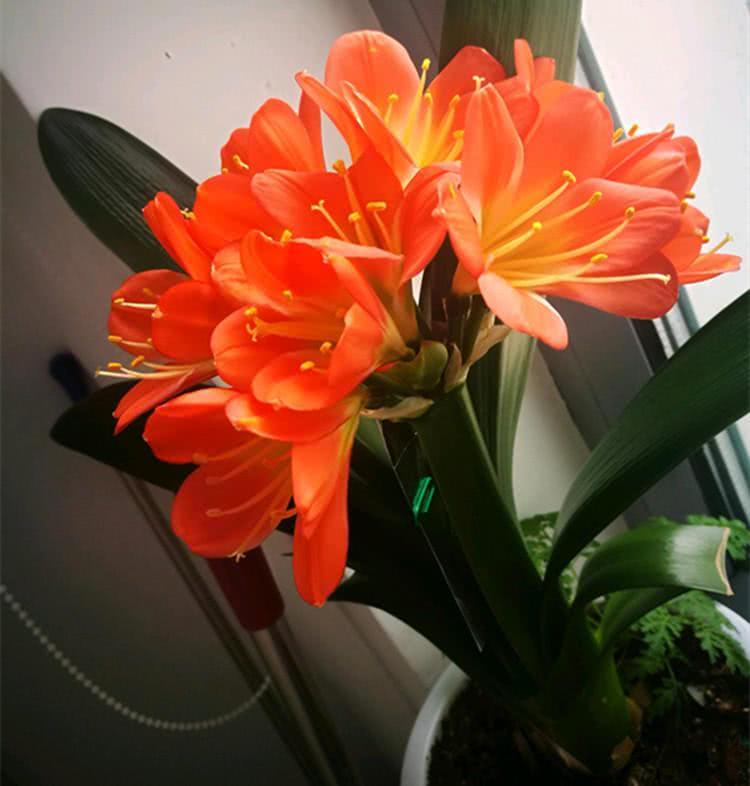
Clivia, when in bloom, bears clusters of flowers hanging in the middle of the branches, especially beautiful. Along with its thick, green leaves, it is a flower that is appreciated for both its blooms and its foliage. However, many flower lovers always fail to grow clivia well, and every time the seasons transition, problems arise. Today, I will share with flower lovers the care of clivia through the four seasons of spring, summer, autumn and winter.
1. Spring - avoid wind
In early spring, after clivia has gone through winter dormancy, its root system begins to revive. Due to the lack of nutrient supply, once exposed to wind and sun, the leaves will show signs of dehydration. Clivia is drought-tolerant but not waterlogging-tolerant; keeping the potted plant generally moist is enough. Too much watering easily causes root rot.
2. Summer - avoid direct sun
Clivia is afraid of direct light and prefers semi-shade, so the requirements for growing it in midsummer are: first, shade it, preferably placing the potted plant in a shaded spot, and especially avoiding direct sunlight at noon.
Second, lower the temperature. Besides placing the potted plant in a cool, ventilated place, you should also often spray water to cool it down, keeping the temperature below 25°C and the humidity at 60%~70% as suitable.
Third, reduce fertilization. When the temperature for clivia is above 25°C, appropriately reduce or stop fertilizing; too much fertilizer will burn the fleshy roots. If the temperature is suitable, use clivia organic liquid fertilizer, diluted 500 times and poured at the roots.
The third is watering. When the potting soil is half-dry, it is time to water, but when watering, water thoroughly. Never let water run into the leaves, to avoid rotten hearts.
3. Autumn - avoid rain and spraying water
In early autumn, the climate gradually turns cool. During days of continuous autumn rain, mature clivia enters the seed maturation stage or the bud stage (promoting the emergence of the flower stalk and blooming). At this time, if exposed to rain or watered too much, it will lead to phenomena such as root rot, rotten flower stalk and rotten heart. Therefore, when the flower stalk emerges and blooms, do not spray water. About every half month, apply a watering of 0.5% potassium dihydrogen phosphate.
4. Winter - avoid low temperature and dryness
In winter, when clivia is at a low temperature below 5°C, the potting soil must be kept at a humidity of about 70%, so that it will not be frostbitten due to dryness. If the moisture is less than 20%, it is prone to dry freezing and death.