3 tips for autumn care of kalanchoe, easily turn it into a blooming machine
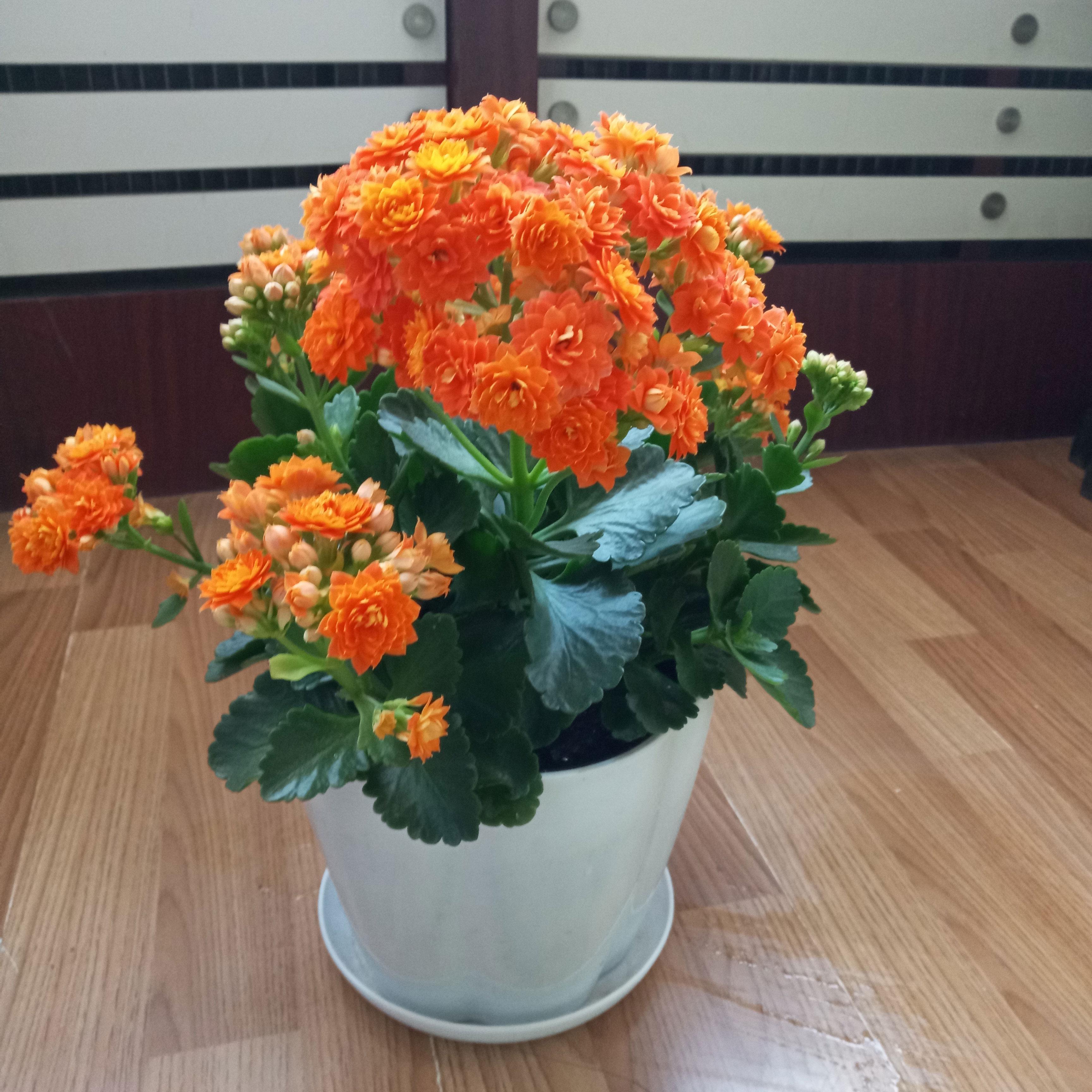
Kalanchoe, as its name suggests, has a relatively long blooming period and many varieties, producing small flowers in a riot of colors, so it has always been loved by flower enthusiasts. Since the Start of Autumn has passed, the weather has gradually become cooler, and kalanchoe has begun to wake up, entering its growing period, sprinting toward blooming its most beautiful self.
Many people grow kalanchoe, and many also get less than ideal results. The plant may bloom normally, but only sparsely, or its shape may not be attractive, which also troubles many flower enthusiasts. Over the next month, if you want your kalanchoe to burst into bloom, be sure to pay attention to the following points.
1. Pinching. In summer, the kalanchoe has already been heavily pruned and cut back to help it safely get through the summer. In autumn, kalanchoe enters its peak growing season, so at this time you should pinch promptly to encourage branching, and every branch will bloom.
Pinching kalanchoe can be done in 3 rounds. The first is done when the plant is about 5 cm tall; the second is done when the plant is 15 cm tall. If after 2 rounds of pinching the kalanchoe has already grown into a beautiful umbrella shape, you do not need to do the 3rd pinching. If the shape is still not perfect enough, pinch once more before the buds form.
2. Fertilizing. If you want kalanchoe to grow thick and strong and the new shoots it sends out to be plump, you must fertilize after pinching. The principle of fertilizing is: apply dilute fertilizer frequently. If you apply too much fertilizer at once, the kalanchoe cannot absorb so much, which can easily cause large areas of leaves to turn yellow, or even the whole plant to wilt.
Generally, apply a dilute fertilizer once about every 15 days. If the plant absorbs it well, the fertilizing interval can be shortened to once every 10 days. For fertilizer, you can choose an organic nutrient solution that promotes flowering, purely plant-fermented and rich in phosphorus and potassium. After use, the kalanchoe will grow robustly and bloom more readily, and the flowers produced will be even more brilliantly colored. Extending the fertilizing cycle can also prolong the blooming period.
3. Water control. Once pinching and fertilizing are done well, if you want a burst of blooms, you still need to control water. Kalanchoe is different from other flowers. It is a succulent plant, and its leaves can store a relatively large amount of water, making it very drought-tolerant. If you water it frequently, forget about enjoying the flowers, it will immediately show you root rot. If you are a plant killer and really do not know how to water, use a flower and plant monitor to help. Just insert it into the potting soil, and you can check the soil moisture value through your phone. The operation is simple.
Flower enthusiasts often leave comments asking me how many days apart is suitable for watering their plants. If I directly told you 5 days or 3 days, that would be irresponsible behavior. Because every household's care environment is different, the climate is different, and the soil mix is different. Take kalanchoe for example: you should wait until the potting soil dries out and turns white before watering thoroughly once. In autumn the weather is relatively dry, so in the morning it is best to mist it to increase air humidity, and place it in a ventilated spot.