Pine needle humus and leaf mold are no match for it - this kind of nutrient soil makes everything thrive
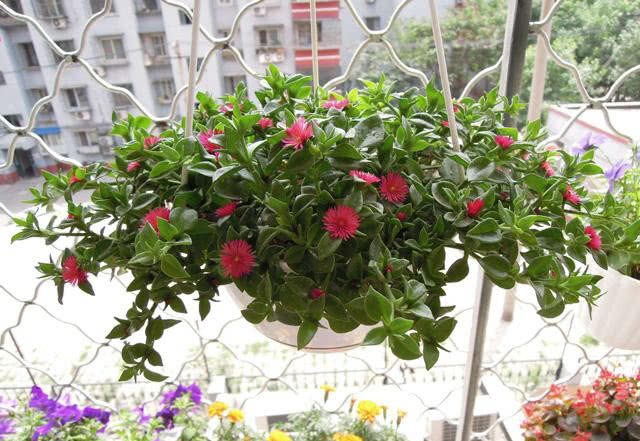
Pine needle soil and leaf mold are not as good as this soil - it is the universal nutrient soil that makes everything thrive! As people's living standards keep improving, many have taken up growing flowers, and with that, all kinds of flower-growing tips and tricks have appeared online, among them pine needle soil and leaf mold. I feel these soils do have some effect, but none of them compare to this soil - it is the universal flower-growing soil.
Bone residue soil: this soil is rich in nutrients, makes everything grow vigorously, and is simple to make without producing irritating odors.
The method is as follows: normally collect some bones - very common - when your family eats chicken, duck or fish, keep the bones, gather them and put them on the balcony to sun-dry for ten days, then put them in clean water and soak for a while, about 20 hours or so, rinse off the salt and seasonings, put them in a pressure cooker and boil for 30 minutes, let them sit for a while, and after the temperature drops, continue sun-drying. At this point the bones will become very crisp and crumble with a tap of a small hammer. Friends can figure out their own ways to chop the bones into powder.
Then find an idle flower pot, lay a layer of fresh leaves or rotten vegetable leaves on the bottom, spread a layer of soil, then a layer of bone powder, then more soil, then bone powder... water it thoroughly, and finally cover with garden soil, seal the opening with a plastic bag, and take it out under the sun to bake for about a month. During this time you don't need to bother about wind, rain or sun. When using it, just mix this soil with a bit of coarse sand. No matter what you grow, it will thrive; even if you haven't fertilized for ten years, the flowers and plants you grow will still have lush foliage and be full of vitality. Plants like clivia (Clivia miniata), roses, pothos (Epipremnum aureum), jasmine, and so on can all use this soil. To grow plants well, dedication is what matters most. Besides some necessary nutrients, you also need to put extra care into watering.
1. Clivia
Clivia has relatively broad leaves with a tender texture, and has fairly high requirements for soil moisture content and relatively high air humidity. Whenever the soil is half-dry, it needs watering, following the principle of watering thoroughly each time. However, there must be no standing water in the clivia pot, and when watering, try to avoid pouring water into the very center of the leaves, so root rot won't occur and cause the plant to rot from the top down. We can control it by watering once every 7 days. When summer temperatures are high, we can wipe the leaf surfaces with a damp cloth, and also spray water near the pot from time to time to improve the temperature and humidity environment.
2. Kalanchoe
Kalanchoe does not need a lot of water each time. Watering once every four or five days is enough, keeping the potting soil slightly moist. Because water evaporates quickly in summer, you can water once every evening. In the cold winter, kalanchoe enters its dormant period, and the watering frequency should be controlled.
3. Money Tree
The money tree (Pachira aquatica) is very drought-tolerant. When watering the money tree, remember one thing: it is better to have too much water than too little. In summer when temperatures are high, water more; in winter, water less. During rapid growth, water more; when the seedling is small, water a bit less. Normally, watering once every half month is completely sufficient.
?