Don't throw away watermelon rinds - ferment them into flower fertilizer, and your flowers will thrive after feeding on it
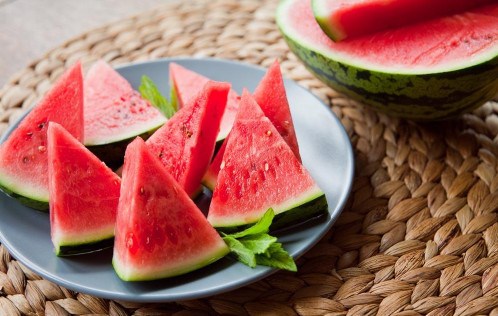
The scorching heat has arrived again. On days like these, there's nothing more pleasurable than sitting at home with the air conditioning on, eating a chilled watermelon. Watermelon is truly delicious, but every time I see piles of leftover watermelon rinds, I'm at a loss. Although watermelon rinds can be stir-fried as a dish, they don't taste very good. Is there any better solution? Let Huahua tell you!
Some veteran flower growers know that watermelon rinds can be used as fertilizer for growing flowers, but raw watermelon rinds cannot be used directly, because the nutrients inside raw watermelon rinds cannot be absorbed directly by flowers and plants - they need to be converted first. So generally, when making watermelon rind flower fertilizer, the watermelon rinds are first fermented in a plastic bottle. How exactly do you do it? Come take a look with Huahua.
First, after eating the watermelon, we need to clean off the remaining red flesh from the rinds, using tools like a small knife and a spoon. Then cut the watermelon rinds into strips, and then into small pieces, because this makes it easier to stuff them into a plastic bottle later, speeds up fermentation, and makes fertilizing less laborious.
Next, stuff the just-cut small pieces of watermelon rind into a plastic bottle. If you don't have a dedicated plastic bottle at home, you can use a peanut oil container or a mineral water bottle instead. Because watermelon rinds may give off a bit of an odor during fermentation, those who are sensitive to smells can also add some orange peel to freshen the scent. But remember, don't fill the bottle too full - leave some space.
The next step is to put the bottle full of watermelon rinds out under the sun to bake. If it's a scorching summer like now, about half a month of sunning is enough. On cloudy days or during continuous light rain, you can sun it for a few more days. Remember to open the bottle mouth every day to release gas, otherwise during fermentation, with too much gas inside the bottle, it might pop the cap off. When cloudy liquid appears, the flower fertilizer is just about done.
After the flower fertilizer is ready, the liquid poured out can be used directly to water flowers, but because some flowers may get burned if watered directly, it's best to dilute it before use. Huahua tells you - when pouring the liquid, pour it about two centimeters from the roots, and water once every three days. This way, the flowers will grow vigorously, and leaves that had turned yellow will regain their green vitality.
Have you all learned this method? Huahua really thinks this waste-reuse method is just great - even leftover watermelon rinds can be used as fertilizer to help your beloved flowers grow. Actually, many fruit peels can be used this way too - Huahua won't introduce them one by one here. This method is both eco-friendly and not wasteful - why not do it? What do you all think?