How do you care for a money tree? These solutions to common problems are worth saving
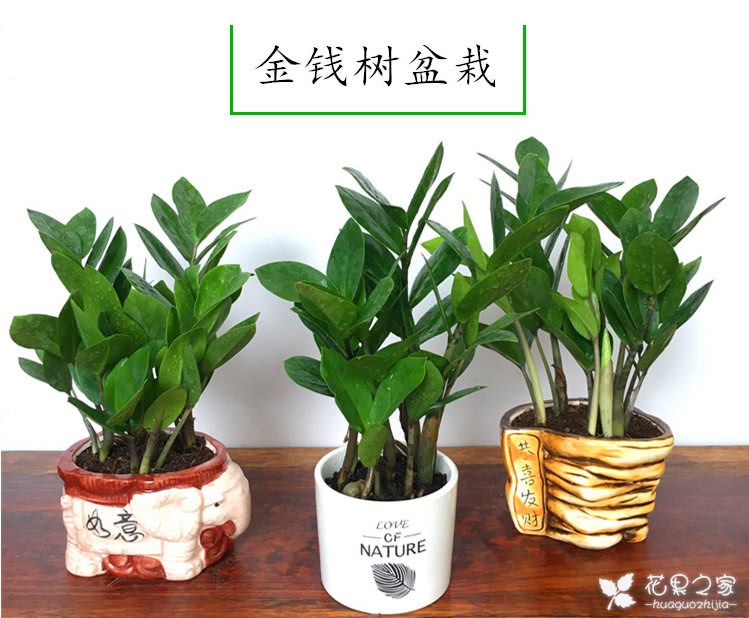
How do you care for a money tree? Easy - once you can solve these problems, caring for it is a piece of cake
How do you care for a money tree? When caring for a money tree, we often run into many problems. Today, the editor has put together many common problems in money tree care and listed them in Q&A form for everyone's reference. If you can solve the following problems, growing a money tree will become very simple.
Category One: Cultivation Problems
Q: How do you water a money tree? How often should it be watered?
A: During the growing season, keep the soil moist but on the dry side. In summer, water once every week and mist once a day. In other seasons, generally water once every half month. During the dormant period, keeping it on the dry side is best.
Q: How do you fertilize a money tree?
A: The money tree loves fertilizer. During the growing season, apply a dilute fertilizer once every half month, and at the same time give the money tree alum fertilizer water once a month. Alum fertilizer water can effectively prevent the leaves from developing physiological yellowing. Stop fertilizing the money tree after October.
Q: How do you choose soil for a money tree?
A: The money tree likes soil that is fertile, loose, well-draining, rich in organic matter, and acidic to slightly acidic. Generally, the nutrient soil sold on the market is suitable for growing money trees.
Q: What is the suitable temperature for a money tree?
A: The growing temperature for a money tree is 20-32 degrees
Q: How do you propagate a money tree?
A: Money tree propagation is generally divided into division propagation and cutting propagation. Division propagation is usually done in spring and autumn, and cuttings are usually taken in early summer.
Category Two: Pest and Disease Problems
Q: What should you do if a money tree has scale insects?
A: Scale insects appear on money trees only in environments with poor ventilation and insufficient light. Scale insects are one of the common diseases of money grass.
If there are a great many scale insects, you can spray a 1000-fold dilution of 20% buprofezin wettable powder to kill the insects.
Q: What should you do if a money tree has root rot?
A: There are many causes of money tree root rot, such as: overwatering, pests and diseases, over-fertilizing, etc. But no matter what the cause, you must promptly take remedial measures for the money tree.
General treatment for money tree root rot: wash the money tree's root system, cut off the rotted roots, apply some charcoal ash to the wounds, replace the potting soil, and use new soil. When caring for the money tree afterward, we need to pay attention to the amount of watering and fertilizing. Ninety percent of root rot is caused by watering and fertilizing.
Q: What should you do if a money tree's leaves turn yellow?
A: Yellowing leaves on a money tree are generally caused by poor daily care and management. The treatment method is the same as the answer to the previous question, "Q: What should you do if a money tree has root rot?" In normal care, just pay more attention to money tree care techniques.
Category Three: Other Problems
Q: What are the taboos for placing a money tree?
A: The taboos for placing a money tree generally refer to placement taboos in the field of feng shui. In feng shui, it cannot be placed on a coffee table or behind the entranceway, and it cannot be placed in a position that blocks walking, which would "block wealth luck."
Q: What is the flower language of the money tree?
A: Bringing in wealth and treasure, glory and prosperity.
Q: Where is the money tree native to?
A: Subtropical Africa
Q: When is the flowering period of the money tree?
A: It blooms in summer. Generally, money trees rarely bloom. If the money tree you grow blooms, it proves to be a good omen.
Conclusion: The above is the editor's compilation of answers to common questions about clivias. If there are questions the editor has not included, you can add and supplement them in the comment section, so that everyone can learn together, progress together, and grow together. Heartfelt thanks to the flower lovers who complete the comments.