How to grow a Clivia? Common problems easily solved, care is simple
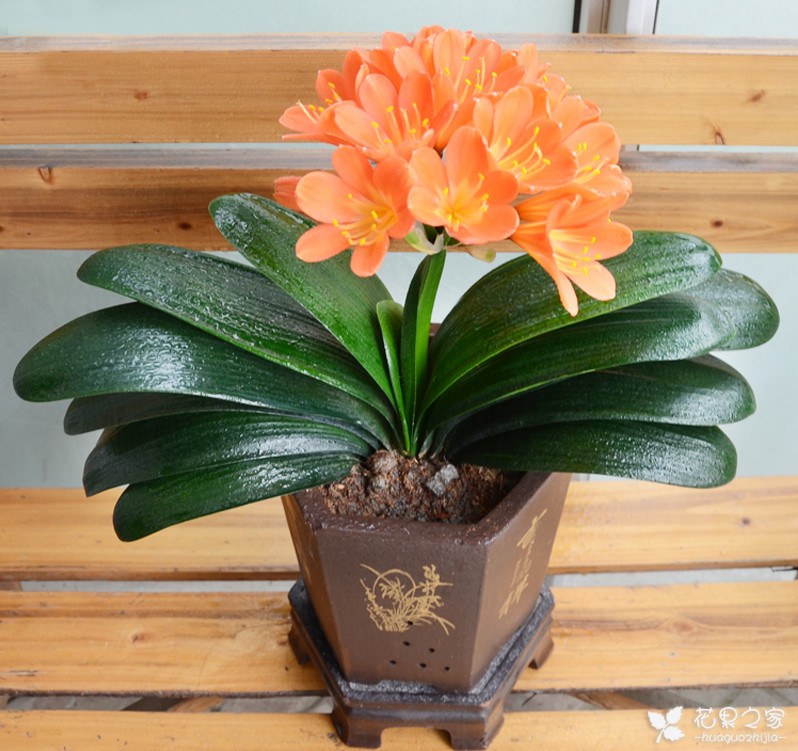
How to grow a Clivia? When caring for a Clivia, we often run into many problems. Today I have compiled many common problems in Clivia care and listed them in Q&A form for your reference. If you can solve the following problems, growing a Clivia will become very simple.
Part One: Cultivation Questions
Q: How do you water a Clivia? How often should it be watered?
A: We all know that the Clivia root system is fairly well developed and can store a certain amount of water, so it is relatively drought tolerant, but it must not be severely lacking in water either. Generally, water the Clivia once a day, watering in the morning. Follow the "water when dry, let dry between waterings" principle for Clivia.
Q: How do you fertilize a Clivia?
A: Clivia is a flowering plant that loves fertilizer, but too much fertilizer is also bad. Too much fertilizer can cause root rot or scorched, withered symptoms. Replace the base fertilizer once every two years, and apply a top dressing of soybean cake fertilizer or bone meal fertilizer once a month.
Q: How do you choose soil for a Clivia?
A: Clivia likes fertile, loose soil with good drainage. The general-purpose nutrient soil on the market is usually used for growing Clivia.
Q: What is the suitable temperature for a Clivia?
A: The growing temperature for Clivia is 15-25°C
Q: How do you propagate a Clivia?
A: Clivia propagation is generally divided into division propagation and seed propagation. Mature Clivias generally grow some offshoots every year. Usually, when a small Clivia has grown three or four leaves, it can be divided and transplanted.
Q: What are the benefits of watering a Clivia with beer?
A: Watering a Clivia with beer can promote its metabolism; in addition, beer contains nutrients such as sugar and protein, which have a certain growth-promoting effect on Clivia.
Part Two: Pest and Disease Questions
Q: What should you do if a Clivia gets sick?
A: The three common diseases of Clivia are southern blight, anthracnose and soft rot. For prevention and control, provide a growing environment with good ventilation and light. If early signs of disease are found, carbendazim can be used to treat it.
Q: What should you do if a Clivia gets root rot?
A: There are many causes of root rot: overwatering, pests and diseases, excessive fertilizing, etc. But no matter which cause leads to it, you must promptly carry out rescue measures for the Clivia. Rescue method: wash the root system, cut off the rotten roots, apply some charcoal ash to the wounds, replace the potting soil, and use new nutrient soil. In later care, pay attention to the amount of water and fertilizer. Ninety percent of root rot is caused by watering and fertilizing.
Q: What should you do if the Clivia leaves turn yellow?
A: Yellowing Clivia leaves are generally caused by improper daily care and management. Check whether the root system shows signs of root rot; if so, handle it according to the root rot treatment method from the previous item. Usually pay more attention to Clivia care techniques.
Q: What should you do if there are bugs on the Clivia?
A: The most common pest on Clivia is scale insects. If there are few, just crush them to death directly. If there are many, spray and kill them with dichlorvos emulsifiable concentrate.
Part Three: Other Questions
Q: What are the taboos for placing a Clivia?
A: A Clivia cannot be placed on a balcony. For feng shui reasons, it cannot be placed on a coffee table, behind the entryway, or in the bedroom.
Q: What is the flower language of the Clivia?
A: Nobility, possessing the demeanor of a gentleman.
Q: Where is the Clivia native to?
A: Africa
Q: When is the blooming season of the Clivia?
A: It can bloom year-round, generally blooming in spring and summer.
Conclusion:The above are the answers to common Clivia questions compiled by me. If there are questions I have not included, you can add and supplement them in the comments section, so we can all learn together, improve together, and grow together. I am extremely grateful to the flower friends who leave comments to complete this.