Grow Gardenias This Way, Even 30-Year Veteran Gardeners Approve
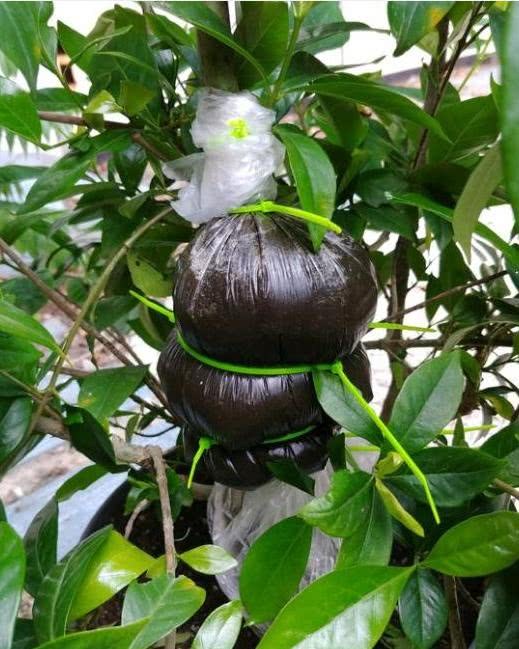
This method for gardenias is worth praising: air layering a single trunk, then grafting double-petaled gardenia once roots form. Even 30-year veteran gardeners approve.
Anyone who grows gardenias at home surely knows that during the growing season, gardenias sprout many small lateral buds along their branches, and these buds consume a lot of nutrients, thus affecting the gardenia's growth.
When the newly grown branches reach about three nodes, pinch out the growing tips. Also, it is best to cut off all the buds at their base. Otherwise, letting all these lateral buds sprout will make the crown very dense and look quite unattractive.
When a gardenia has just been planted, it is still in the seedling stage. At this point, some pruning is needed so it does not keep growing tall and hinder the growth of surrounding branches and leaves. At this stage, keeping a stem of about 15 cm is enough; the forks above can be pruned off, which helps the plant develop a nice shape later on.
Feed the gardenia an acidic nutrient solution once every half month; it does an excellent job of improving the soil and promoting flowering. The gardenia absorbs it well, produces many flower buds, and can bloom every year.
Its most important requirement is acidity. In addition, it needs plenty of nutrients and loose soil. You can choose to mix leaf mold, peat soil and garden soil, then add some sawdust. Monopotassium phosphate has an excellent flowering-promoting effect. Finally, note that pests and diseases are more likely to occur in summer, so you need to watch carefully when growing it and deal with any problems promptly once discovered.