How to keep soil moist in hot, dry climates?
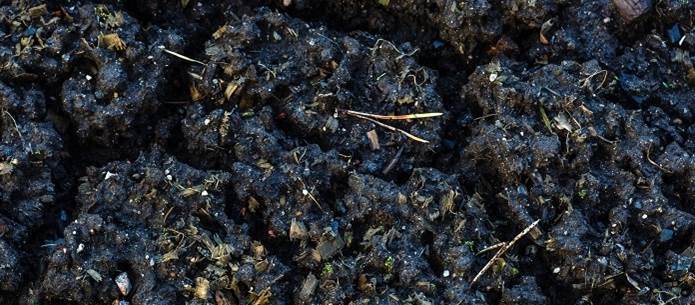
If you haven't had much rain this season, you'll want to make every drop of water count with moisture-retaining soil.
Soil management is an important part of every gardener's life. The longer you've been growing plants, the more you discover that they only thrive when the soil they grow in is also a thriving, balanced mix. However, choosing soil is closely tied to your local climate - which is exactly why hot, dry regions tend to run into some unique problems. If you're expecting hot weather and low rainfall in the coming weeks, consider how these techniques can help your soil hold a high enough moisture content to keep your plants healthy and happy. If you're using an irrigation system, you'll be amazed at how much water you save when you use these techniques.
Mix in organic matter
Work compost into the soil
Many soils tend to be sandy, draining almost immediately the water they receive, or clayey, holding water for a long time yet making it hard for plants to access. One of the best ways to help any type of soil is to add organic matter, such as compost or peat moss, either of which absorbs water well and releases it over time. An added benefit of organic matter is that it also feeds the soil, supplying plenty of nutrients that simply cannot be found otherwise. Using these amendments every year not only helps your plants grow, but also keeps them supplied with the water they need on especially hot days.
Make mulch (such as straw, leaf mold or plastic film) your friend
A layer of mulch can effectively prevent excessive evaporation in hot weather. For example, a layer of wood chips can get very hot, but the water that drains through them into the soil will take much longer to evaporate again. Choose your mulch based on your hardiness zone, materials native to your area, and what suits your specific plants. Always remember that a thick layer of mulch is very useful for reducing your watering chores. You'll still need to push it aside to check how dry the soil is, but it's worth it.
Keep a weed bed, but use those weeds!
Put those weeds to good use!
Most people don't think of weeding that way, since they tend to weed the garden beds simply to keep their plants healthy and their garden beautiful, but in fact weeding is an excellent moisture-saving measure. For one thing, weeds greedily sip the water that your favorite plants might otherwise use. However, when you weed a bed, any plants you actually remove usually dry out in the sun, and part of their moisture has a positive effect on the surrounding environment. If you're worried that the weeds will re-root and come back stronger, you can put all your organic material into the compost bin, where the moisture will help turn everything into useful soil for the future.
Try polymer water crystals
Polymer water crystals
If your plants still dry out too fast, you may want to try a synthetic approach. Look for polymer water crystals at your local nursery. These crystals swell up like gelatin when they meet water. Instead of letting most of the water drain away or evaporate, they release moisture slowly, exposing plants to water for a long time. Although technically not a "natural" solution in most settings, these little things are very helpful for gardeners who aren't ready to run soaker hoses or a complex irrigation system through their beds but still want to keep their plants supplied with moisture all day long.
Choose plants suited to your environment
One of the most effective strategies for keeping soil moisture at a level that lets plants thrive is to cheat: only use plants that are already accustomed to the environment where you live! Many of us choose plants based on what appeals to us and what looks beautiful, but some of those plants don't grow easily in hot, dry climates. Instead, if you choose plants that can survive hot, dry conditions and stay hardy, the watering effort won't be so relentless. The techniques above still apply, but if the plants in them are already used to the hardships of dry soil, they will work better and produce a more vibrant garden.
By choosing the right kinds of plants, weeding extensively, and fixing the soil in ways that hold more water without waterlogging, you can create a positive garden environment. Even in a hot, dry climate, this kind of soil is more likely to produce the beautiful flowers, fruits and vegetables you want, without wasting any water when you irrigate. A practical gardener can save themselves a great deal of time by making mulch and organic matter a priority from the first day of the growing season.