When watering orchids after the Start of Autumn, you need to know this one thing: new leaves keep sprouting and the plant grows lush and verdant
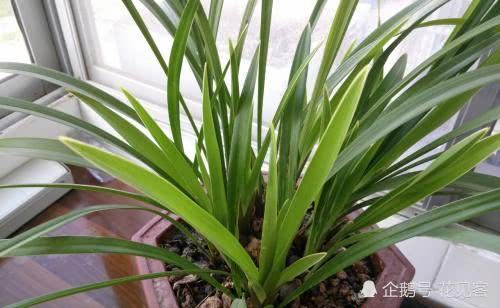
Orchids are a foliage plant loved by many flower enthusiasts, and are also one of the Four Gentlemen, with green leaves and delicate flowers, possessing a plain, quiet, elegant and noble temperament, and holding high ornamental value.
As the saying goes, to grow orchids you must first grow the roots, and to grow the roots you must pay attention to watering. After the Start of Autumn, the weather gradually turns cooler, and the activity of orchids increases accordingly, so watering requires special care. Know this one thing, and new leaves will keep sprouting and the plant will grow lush and verdant!
Some flower enthusiasts worry that watering too much will cause root rot and affect the plant's growth, so after each thorough watering they want the soil to dry out as quickly as possible. Thus they increase ventilation and light exposure to make the water evaporate quickly, and in the end, before the roots have finished absorbing the water, there is already no water left in the soil.
Although this will not cause root rot, it also affects normal growth and is not good for the differentiation of new buds and the growth of leaves. So how should you water?
In fact, after the Start of Autumn, the best watering method is the soaking method: place the orchid in a large basin filled with shallow water, let the water enter the pot through the drainage hole at the bottom and then be absorbed by the roots. Once you see the surface of the potting soil become moist, you can stop; by then the roots have about absorbed their fill. This avoids the roots not getting enough water, prevents root rot, and promotes the growth of the orchid.
Other care for orchids
As the orchid's growth speed increases, its nutrient needs also increase. You can bury some bone meal, eggshell powder, worm castings, etc. into the potting soil to add nutrients and let the orchid grow quickly.
There is also pruning: cut off some old leaves, damaged leaves and overly dense leaves to reduce excessive consumption of nutrients, which can also promote the sprouting of new buds, make the plant fuller and increase its ornamental appeal.
That is all for orchid care. If flower enthusiasts have anything to add, you can share it with everyone in the comments section below. To learn more about flower-growing knowledge, you can follow Huajianke!