It's still not too late to plant kidney beans now; plant a few and harvest until the first frost
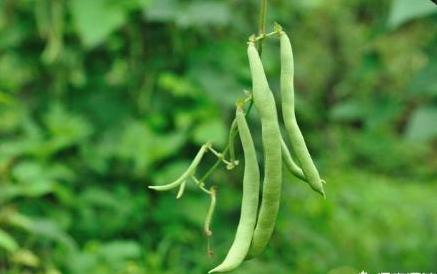
Kidney beans are also called green beans; let's just call them green beans, it sounds friendlier.
From the name, you'd think green beans can be planted all year round, but that's actually not the case. Green beans can only be sown twice a year, either as spring beans or autumn beans, that is, planted from February to April each spring and from August to September in autumn.
Green beans can be used to make tomato-braised potatoes and green beans, black pepper green beans, stir-fried green beans with cured meat, braised noodles with green beans, twice-cooked green beans, braised pork ribs with green beans, beef with green beans, and so on. If you plant too many and can't finish eating them, they can also be processed into pickles or dried. Just thinking about it makes my mouth water. So what should be paid attention to when planting green beans? Let's discuss it together below.
Choosing the planting site
There are many places where green beans can be planted. A small patch of space in front of the house or at the edge of a field is a very good planting spot. If you live in an urban apartment building, you can also plant them in flower pots on the balcony. Eating green beans you planted yourself brings a kind of sweetness you can't buy in the market. But when choosing a site, note that green beans are a sun-loving crop, so avoid planting them under large trees, behind the house, or in other places with insufficient sunlight.
Choosing varieties
There are many varieties of green beans, such as the Yunfeng series, the Tenen series, and the Chunfeng series. But if you're growing green beans for your own consumption, you can choose between pole types and bush types according to the planting site. For example, at the edge of a field or in front of the house, you can choose the Yunfeng 623 variety. If you're planting on a balcony and it's inconvenient to set up trellises, choose varieties such as French beans.
Fertilizer and water management
If conditions permit, applying farmyard manure is best for home-grown green beans. If there isn't enough farmyard manure, or if conditions don't allow making farmyard manure, you can directly apply the leftover fertilizer from growing your own wheat or peanuts. But we should know that green beans have a relatively high demand for phosphate fertilizer, so when choosing fertilizer, you can increase the application rate of phosphate fertilizer. As for water management, watering once a week is enough. If it rains, there's no need to water. If there's heavy rain, pay attention to drainage.
Pest and disease control
When green beans are planted continuously in the same spot, diseases are very likely to occur. The best way to prevent pests and diseases is to prepare different locations for crop rotation. You can also use Genfuning to control root rot. Of course, for home growing, pesticides should still be used with caution. If the disease is severe, it is best to choose pesticides that are highly effective, low-toxicity, and leave no residue.
Although green beans are good, if they are not cooked through, the saponins and hemagglutinins in them can cause poisoning. So when eating green beans, don't be greedy for them undercooked; only after stewing or stir-frying them thoroughly can you eat them with peace of mind.
This is Science Agriculture; you are welcome to follow and learn together.